برچسب: hair

  • Head Lice: Symptoms, Causes, and the Best Treatments for Head Lice

    Introduction to Head Lice and Their Life Cycle

    Head lice are small, wingless insects that live on the human scalp and feed on blood. They can affect people of all ages, but they’re most common among school-aged children. The life cycle of a head louse has three stages: egg (nit), nymph, and adult. The eggs attach firmly to the hair shaft and typically hatch within 7–10 days.
    Head Lice

    What Are Head Lice and How Do They Live?

    An adult head louse measures about 2–3 millimeters long and ranges in color from white to grayish-brown. Female lice lay several eggs each day, gluing them to the base of hair strands. Contrary to popular belief, lice cannot jump or fly — they move only by crawling and are transmitted through direct head-to-head contact.

    Difference Between Head Lice, Body Lice, and Pubic Lice

    Each type of louse prefers a specific habitat. Body lice live and lay eggs on clothing, while pubic lice live in coarse hair around the genitals. Head lice are found only on the scalp.

    Symptoms of Head Lice

    Itching and Skin Irritation

    The most common symptom of head lice is persistent itching of the scalp, caused by an allergic reaction to louse saliva. In some cases, scratching may lead to small sores or inflammation.

    How to Identify Head Lice in Children

    In children, lice often cluster around the back of the neck and behind the ears. Parents can use a fine-toothed comb to check for live lice or tiny white eggs attached to hair strands.

    Causes and Transmission of Head Lice

    Direct Contact and Shared Personal Items

    Head lice spread mainly through direct contact with an infested person. Sharing personal items like combs, hats, scarves, pillows, or even headphones can also lead to transmission.
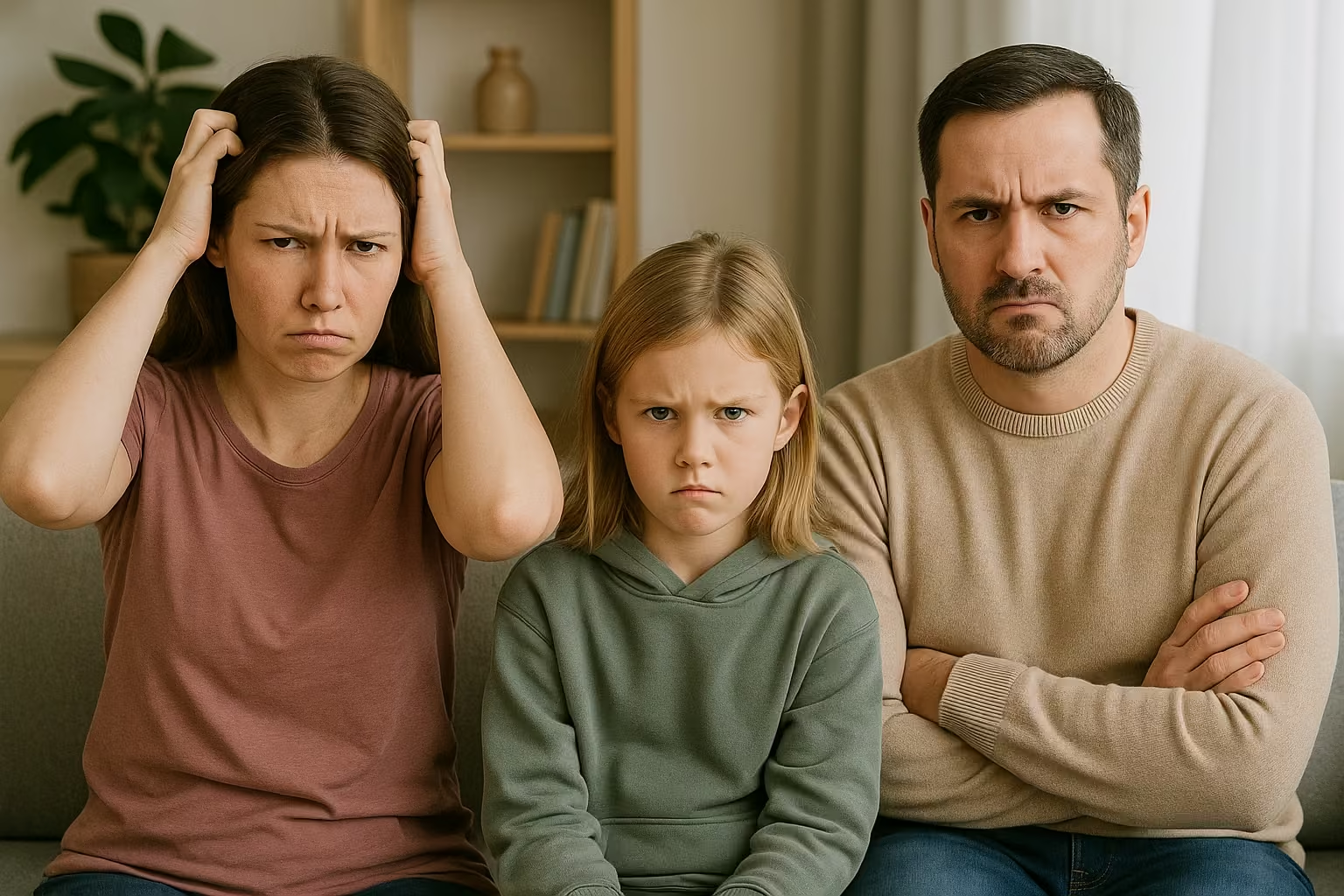
    Frustrated Caucasian woman scratching her head beside a displeased man, both showing irritation possibly due to head lice.

    Can Pets Spread Head Lice?

    No. Head lice only affect humans and cannot live on pets. Therefore, your household animals are not a source of infestation.

    Home and Natural Remedies for Head Lice

    Treating Lice with Vinegar and Olive Oil

    One traditional home remedy involves using a mixture of vinegar and olive oil. Vinegar helps loosen the glue that attaches eggs to hair, while olive oil suffocates adult lice.

    Using a Lice Comb Effectively

    A lice comb should have tightly spaced metal teeth. After each combing session, wash the comb thoroughly with hot, soapy water to prevent reinfestation.

    Is Coconut Oil an Effective Lice Treatment?

    Some studies suggest that coconut oil may be a safe and natural method to help remove lice, as its oily texture restricts lice movement and suffocates them.

    Medical Treatments for Head Lice

    Effective Anti-Lice Shampoos and How to Use Them

    Pharmacies offer various over-the-counter and prescription shampoos, such as those containing permethrin or malathion. Follow the product instructions carefully and repeat the treatment after 7 days to break the lice life cycle.

    When to See a Doctor

    If symptoms persist after two treatments or if the scalp becomes inflamed or infected, consult a doctor. They may prescribe stronger medication or confirm that the infestation has cleared.

    Preventing Reinfestation

    Personal Hygiene and Cleaning Habits

    Wash clothing, bedding, and pillowcases in hot water. Disinfect combs, brushes, and hair accessories by soaking them in boiling water for at least 10 minutes.
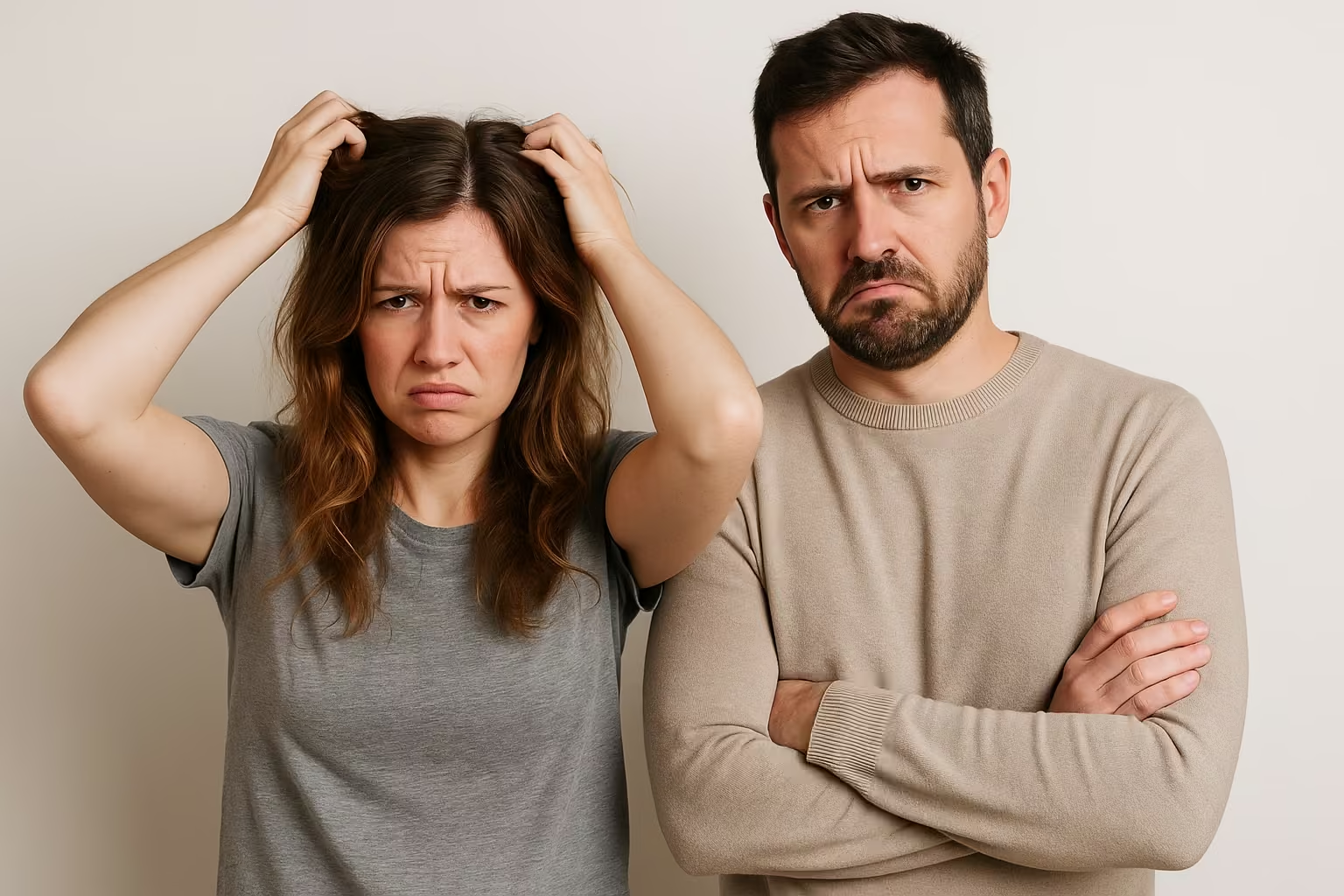
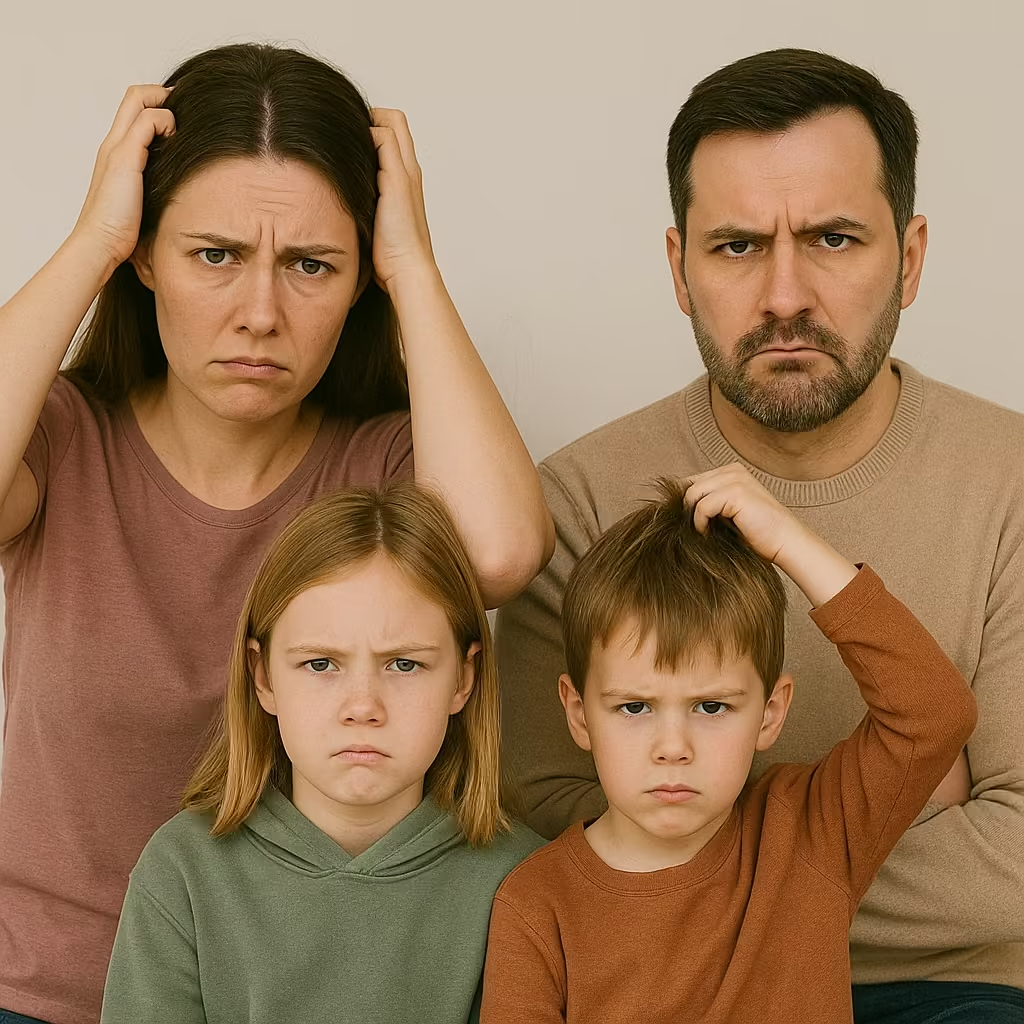
    Displeased Caucasian family with parents and young son looking upset, showing frustration as if dealing with head lice infestation.

    The Role of Family in Prevention

    All family members should be checked for lice, even if only one person shows symptoms. Treating everyone at once prevents lice from spreading again.

    Common Myths About Head Lice

    Is Having Lice a Sign of Poor Hygiene?

    A widespread myth is that lice infest people with poor hygiene. In reality, lice are not attracted to dirt — they simply need human blood to survive. They can live in clean or dirty hair alike. Having lice doesn’t mean you’re unclean; it only means you’ve had close contact with an infested person.

    Does Cutting Hair Get Rid of Lice?

    Short hair can make it easier to spot and comb out lice, but cutting hair alone won’t eliminate them. Lice can still lay eggs on short hair strands.

    Can Hair Dye or Chemical Products Kill Lice?

    Some believe that hair dye or bleach can kill lice, but these products are rarely effective and can irritate the scalp. It’s best to use approved medical or natural treatments instead.

    Frequently Asked Questions About Head Lice Treatment

    How Long Do they Live?

    Adult lice live about 30 days on the scalp. Once removed from the host, they die within 2–3 days. Eggs (nits) can survive for up to 10 days at room temperature.

    Do Lice Die in Water?

    No. Lice can survive underwater for several hours by closing their breathing openings. Regular hair washing alone won’t kill them — a proper treatment is required.

    How Long Does It Take to Get Rid of Head Lice?

    It usually takes 7–14 days to eliminate lice completely. Two treatment sessions are recommended to ensure newly hatched lice are also killed. Daily combing with a fine-toothed lice comb is essential.

    Can Head Lice Cause Other Diseases?

    Fortunately, head lice don’t transmit serious diseases. However, constant scratching can cause open sores, leading to bacterial infections. If inflammation occurs, seek medical attention.

    Can a Hair Dryer or Straightener Kill Lice?

    Heat can kill some lice, but it’s not a reliable method. The eggs (nits) are highly resistant, and the typical heat from a dryer or flat iron isn’t enough to destroy them completely.

    Is Alcohol Effective Against Lice?

    Rubbing alcohol may kill some lice, but applying it directly to the scalp can cause irritation or burns. It’s not recommended as a safe treatment option.

    Final Thoughts and Recommendations

    Head lice are common but treatable. To get rid of them completely, consistency and proper hygiene are key:

    • Follow treatments carefully: Use anti-lice shampoos exactly as directed and repeat after one week.

    • Check all family members: Everyone should be examined to prevent re-infestation.

    • Disinfect personal items: Wash combs, scarves, hats, and pillowcases in hot water.

    • Comb thoroughly: Use a fine-toothed lice comb daily until no lice or eggs remain.

    • Avoid unsafe methods: Stay away from harsh chemicals or unverified home remedies.

    By following these steps, you can eliminate head lice completely and reduce the risk of them returning.

  • Phytophanere Hair Supplement: A Comprehensive Guide to Strengthening Hair, Nails, and Eyelashes

    Phytophanere Hair Supplement

    Introducing Phytophanere Tablets and Their Importance in Hair and Nail Health

    With the increasing demands of daily life, stress, unbalanced diets, and environmental pollution, many individuals face issues like hair loss, brittle nails, and reduced eyelash growth. In such scenarios, using a hair-strengthening supplement like Phytophanere tablets offers a scientific and effective solution to restore the natural health of hair and nails. This plant-based dietary supplement is designed and endorsed by dermatology and hair specialists.

    In recent years, numerous users worldwide have recognized this herbal supplement as one of the most effective hair-strengthening tablets. In the following sections, we delve into the scientific aspects, benefits, composition, and usage guidelines of this product.

    What is Phytophanere?

    Phytophanere is a plant-based dietary supplement produced by the reputable French brand PHYTO. This supplement is formulated to strengthen hair roots, enhance the growth of hair, eyelashes, and nails, and prevent hair loss. Its composition includes B vitamins, vitamin E, zinc, borage oil, fish oil, and various plant extracts.

    Being entirely natural and plant-based, this supplement is suitable for daily consumption without exposing individuals to chemical side effects.

    Scientific Analysis of Phytophanere’s Formulation

    The formulation of this product is designed to synergize with the body’s internal systems. The primary active ingredients include:

    • Biotin (Vitamin B7): A crucial factor in hair health and preventing hair loss.

    • Zinc: Aids in keratin production and enhances hair strand strength.

    • Vitamins B6 and B2: Support cellular growth and nourish hair follicles.

    • Borage Oil and Fish Oil: Rich in omega-3 and omega-6 fatty acids.

    • Wheat and Corn Germ Extracts: Abundant in natural antioxidants.

    Phytophanere Supplement

    Key Benefits of Using Phytophanere Supplement

    Regular consumption of Phytophanere tablets offers the following benefits:

    • Enhanced Thickness and Hair Growth

    • Strengthened Hair Roots and Reduced Hair Loss

    • Increased Nail Strength and Prevention of Brittleness

    • Natural and Healthy Eyelash Growth

    • Improved Skin Health and Radiance

    • Overall Body Health Maintenance through Essential Vitamins

    This herbal supplement is recognized not only for hair health but also as a beneficial dietary supplement for overall well-being.

    User Experiences with Phytophanere Hair Strengthening Tablets

    Empirical studies and online surveys indicate:

    • Over 85% of users reported hair regrowth after 2 to 3 months.

    • Nails grew faster and became more resilient.

    • Eyelashes appeared fuller and longer.

    • Some users initially experienced slight hair shedding, which improved shortly thereafter.

    How Does Phytophanere Enhance Hair Growth?

    This tablet operates through three primary mechanisms:

    1. Direct Nourishment of Hair Follicles

    2. Improved Scalp Blood Circulation

    3. Reduction of Free Radicals via Antioxidants

    These processes collectively increase the circulation of nutrients in the scalp and stimulate the hair growth phase. Consequently, this supplement is recognized globally as one of the most effective hair-strengthening supplements.

    Phytophanere Enhance Hair Growth

    Impact of Phytophanere on Skin and Nail Health

    Phytophanere not only promotes hair growth but also has significant positive effects on nail and skin health. The biotin and zinc in this supplement boost keratin production, thereby eliminating nail brittleness. Additionally, the presence of vitamin E and natural antioxidants aids in maintaining healthy and radiant skin.

    Moreover, individuals suffering from dry skin or eczema have reported noticeable improvements in their skin condition after consistent use of this supplement.

    Proper Usage of Phytophanère Tablets for Optimal Results

    To achieve the best outcomes, adhere to the following consumption guidelines:

    • Recommended Dosage: Two tablets daily (morning and evening with water)

    • Duration: A minimum consumption period of 3 months is advised

    • With Meals: It’s preferable to take the tablets with meals to enhance absorption

    • Consistency: Daily intake without interruption is key to effectiveness

    Note: The effects of this supplement are gradual, typically becoming noticeable after 4 to 6 weeks.

    Potential Side Effects and Contraindications of Phytophanère

    While Phytophanère is a natural and plant-based supplement that generally doesn’t cause side effects, certain individuals should exercise caution:

    • Pregnant or Nursing Women: Should only consume after consulting a physician

    • Individuals with Specific Medical Conditions or Drug Sensitivities: Must consult a doctor before use

    • Those Allergic to Specific Plant-Based Ingredients

    Rare side effects like mild nausea, bloating, or headaches may occur but usually subside with dosage adjustment and timing.

    Phytophanere Tablets for Men and Women: Is There a Difference?

    Fortunately, the composition of Phytophanere tablets is designed to be suitable for both genders. However, women often seek this supplement for enhancing hair, nail, and eyelash growth, while men typically use it to combat hereditary or stress-induced hair loss.

    Therefore, regardless of gender, this supplement is an appropriate choice for all individuals.

    Phytophanère Dietary Supplement and a Healthy Diet

    For the supplement to function effectively, it’s essential that the daily diet includes sufficient nutrients. Consuming this supplement alone isn’t sufficient if:

    • You don’t drink enough water

    • You lack adequate sleep

    • You experience chronic and persistent stress

    Adhering to a healthy lifestyle enhances the performance of this supplement.

    Phytophanère Supplement for Treating Hair Loss Due to Stress and Hormonal Changes

    Stress, hormonal fluctuations, and anemia are common causes of hair loss. The components in Phytophanère tablets, especially zinc, biotin, and B6, significantly aid in regulating hormonal balance and reducing oxidative stress. As a result, hair has a better opportunity for regrowth.

    Frequently Asked Questions About Phytophanère Tablets

    1. When is the best time to take Phytophanère tablets?

      It’s best to consume them with breakfast and dinner for optimal absorption.

    2. Does this supplement cause weight gain?

      No, Phytophanère tablets have very low calories and do not lead to weight gain.

    3. Can children and teenagers use it?

      Only if prescribed by a doctor; this supplement is recommended for individuals over 18 years old.

    4. What should I do if I miss a dose?

      If you forget a dose, skip it and do not double the next one.

    5. Is it safe to use this supplement during pregnancy?

      Only with a doctor’s prescription and consultation.

    6. Are the results of consumption permanent?

      To maintain results, continued or periodic use is recommended.

  • Priorin Review 2025: 10 Powerful Reasons It’s the Best Hair Growth Solution

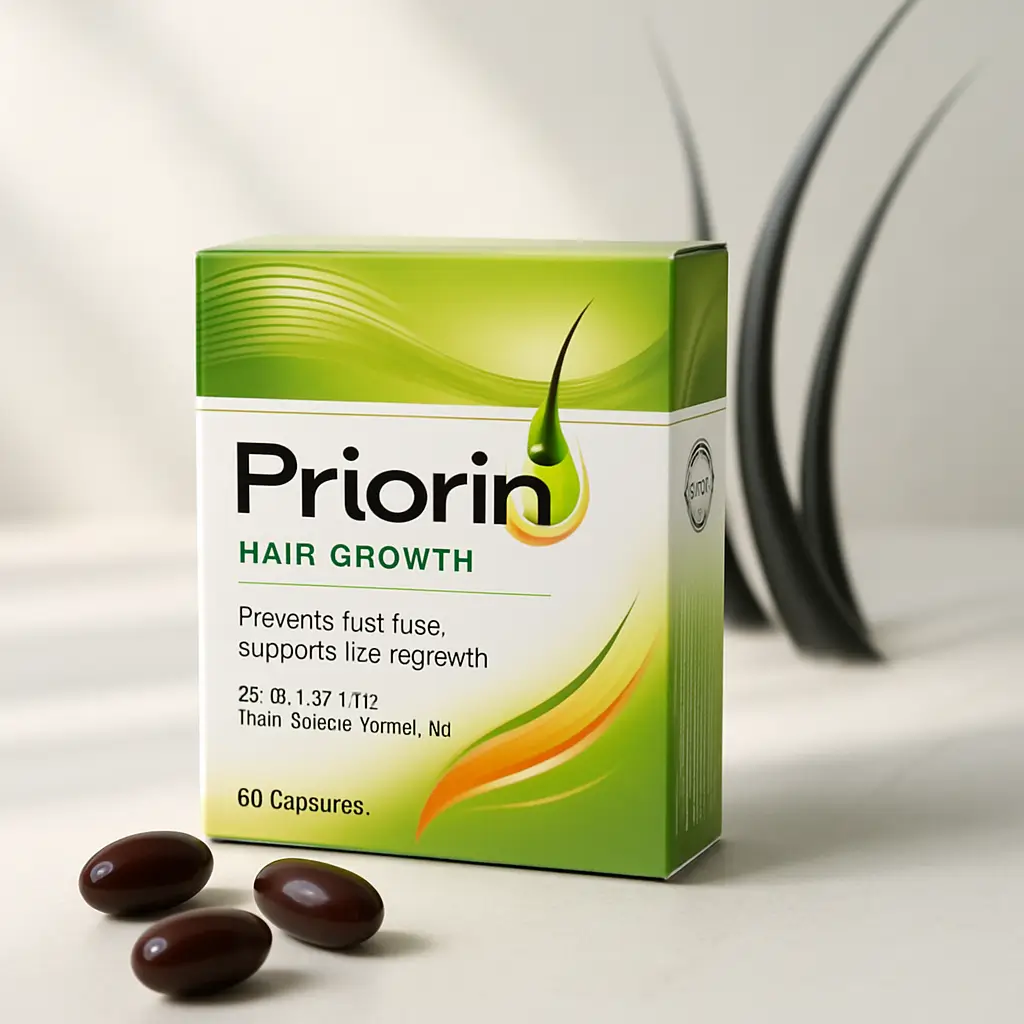
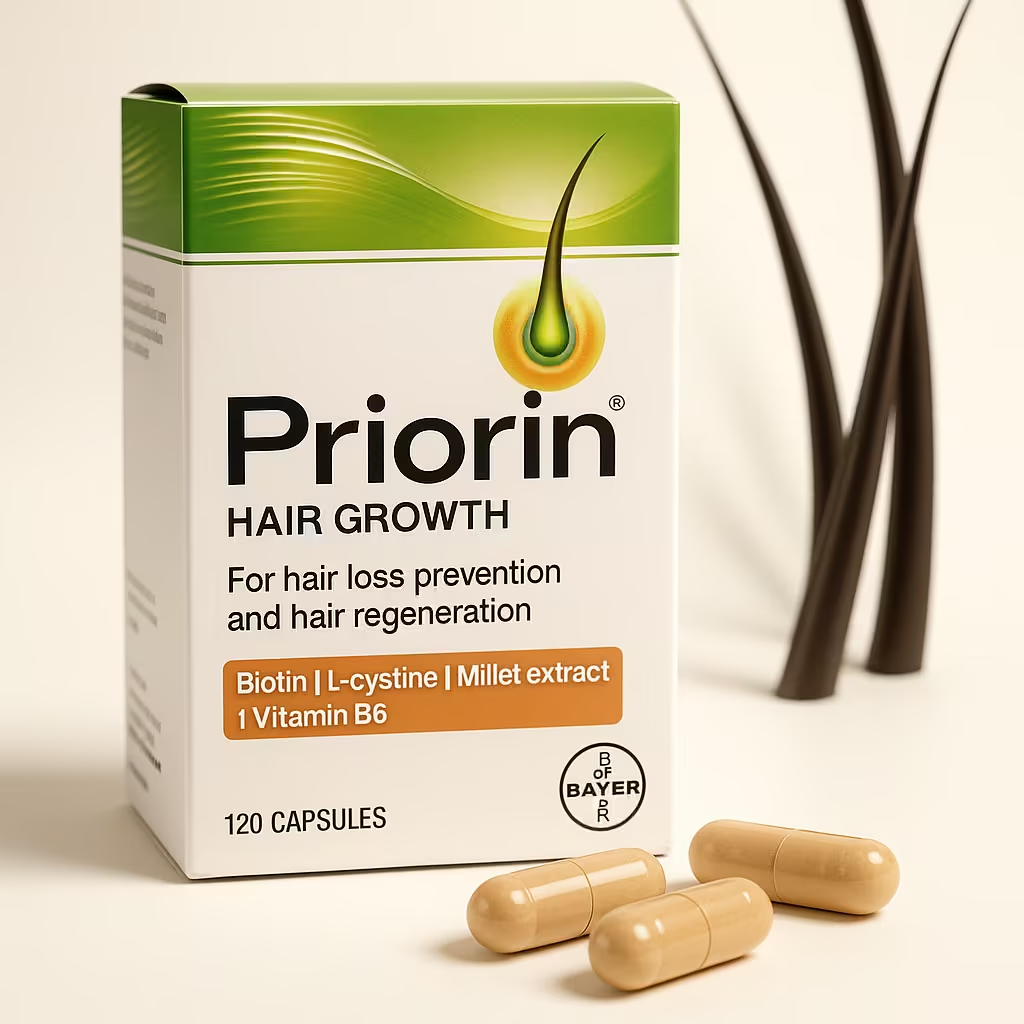
    Priorin

    What is Priorin?

    When it comes to tackling hair thinning, few supplements have made a mark like Priorin. Priorin is a specialized, scientifically formulated supplement aimed at promoting hair growth, strengthening hair from within, and improving overall scalp health. Whether you’re struggling with stress-induced shedding, hormonal changes, or age-related thinning, Priorin offers a targeted solution that goes beyond surface treatments.

    The Origin and History of Priorin

    Priorin’s story began in Europe, where hair thinning has long been a common concern. Developed by Bayer, a globally trusted pharmaceutical company, Priorin quickly became synonymous with effective, natural hair support. Over the years, it has earned an excellent reputation for helping people regain hair volume and vitality naturally.

    The Science Behind Priorin

    What sets Priorin apart is its scientifically-backed formulation. Clinical studies and numerous user trials show that Priorin can significantly improve hair thickness, strength, and overall scalp condition. The combination of natural ingredients, amino acids, and vitamins synergizes to nourish hair roots and stimulate healthy regrowth.

    Key Ingredients in Priorin

    Understanding what’s inside Priorin gives us insight into why it’s so effective.

    Millet Extract

    Millet extract is rich in millet oil, a natural source of minerals and essential fatty acids that nourish hair follicles and protect the scalp.

    Biotin (Vitamin B7)

    Often called the “hair growth vitamin,” biotin strengthens hair strands, boosts keratin production, and prevents hair from becoming brittle.

    L-Cystine

    An amino acid crucial for protein formation in hair, L-Cystine supports the natural growth cycle and ensures stronger, more resilient strands.

    Wheat Germ Oil

    Packed with Vitamin E, wheat germ oil provides antioxidant benefits, improving scalp circulation and delivering vital nutrients to hair follicles.

    Benefits of Using Priorin

    How Does Priorin Work?

    Nourishing the Hair from the Root

    Priorin supplies essential nutrients directly to the hair root, where growth begins. By fortifying the root, it ensures that new hair strands are stronger and more vibrant.

    Stimulating Natural Hair Growth

    Priorin doesn’t just prevent hair loss—it actively stimulates new hair growth. Its ingredients encourage the hair follicles to move from the resting phase back into the active growing phase, resulting in denser, fuller hair.

    Benefits of Using Priorin

    Stronger Hair Structure

    Many users notice that their hair becomes thicker, shinier, and less prone to breakage after consistent use.

    Increased Hair Density and Volume

    This promotes not just growth but volumized, fuller-looking hair, helping restore confidence.

    Healthier Scalp Conditions

    A healthy scalp is key to healthy hair. It improves scalp hydration and resilience, reducing issues like dryness and irritation.

    Who Should Use Priorin?

    Men and Women Facing Hair Thinning

    Both men and women experiencing genetic or stress-related hair loss can benefit greatly from Priorin.

    Post-Pregnancy Hair Loss Recovery

    New mothers often struggle with hair shedding postpartum. Priorin offers a safe and natural way to regain hair strength and vitality.

    Age-Related Hair Changes

    As we age, hair naturally thins. It helps counteract age-related hair issues and supports ongoing healthy growth.

    How to Take Priorin for Best Results

    Recommended Dosage

    Typically, adults are advised to take two to three capsules daily with a meal. Always follow package instructions or your doctor’s guidance.

    Tips for Optimal Effectiveness

    • Consistency is key—take daily.

    • Maintain a balanced diet rich in vitamins and minerals.

    • Avoid excessive heat styling to support hair recovery.

    Clinical Studies and Research on Priorin

    Clinical Studies and Research on Priorin

    Scientific validation plays a crucial role in determining the effectiveness of any health supplement, and it has not disappointed. Several clinical studies support the claims that this can stimulate hair growth, strengthen hair fibers, and improve overall scalp health.

    The Landmark 2005 Study on Hair Loss

    One of the most referenced studies concerning Priorin was conducted in 2005. This double-blind, placebo-controlled clinical trial involved 110 women aged 30–59 experiencing hair loss.

    The results after six months were remarkable:

    • Over 67% of women in the Priorin group noticed a visible increase in hair growth rate.

    • Participants reported thicker, shinier, and stronger hair.

    • Scalp health also improved, reducing dryness and irritation.

    The researchers concluded that this supplementation positively influenced hair health and growth, particularly for individuals suffering from diffuse hair loss.

    Ingredient-Specific Studies

    Besides full product studies, individual components within Priorin have been independently researched:

    • Millet Extract: Studies have shown that millet is rich in milletsaponins, which possess scalp-nourishing and anti-inflammatory properties, vital for maintaining hair follicle vitality.

    • Biotin (Vitamin B7): Numerous studies confirm that biotin deficiencies often lead to hair thinning, and supplementation can restore hair health.

    • L-Cystine: Research highlights L-Cystine’s role in accelerating keratin production, the primary protein in hair structure.

    • Wheat Germ Oil: Packed with antioxidants, wheat germ oil has been linked to enhanced scalp circulation, promoting an ideal environment for hair growth.

    Priorin supplementation

    Long-Term Observations

    Extended observations have shown that individuals who continued Priorin supplementation for 6 to 12 months reported sustained hair growth, increased density, and reduced hair shedding compared to those using standard over-the-counter remedies.

    The scientific consensus suggests that, although it is not an instant fix, with consistent and proper use, it delivers measurable improvements in hair quality and quantity.

  • Happy Nowruz from Arman Salon

    Happy Nowruz from Arman Salon – A Hairdresser’s

    Celebrate Nowruz with a Fresh Look from Your Favorite Hairdresser

    As we step into Nowruz 2025, I, Arman Karagah, a dedicated hairdresser and founder of Arman Salon, want to extend my warmest wishes to all my clients, friends, and loved ones.

    Nowruz is a time of renewal, beauty, and transformation—just like the magic a hairdresser creates every day! Just as we refresh our homes and wardrobes for the Persian New Year, it’s also the perfect opportunity to refresh our hairstyles.

    What is Nowruz and Why is it Important?

    The Meaning of Nowruz

    Nowruz, meaning “New Day”, is the Persian New Year, marking the arrival of spring and symbolizing fresh beginnings.

    Why Nowruz is the Perfect Time for a Hair Transformation

    New Year, New Look with the Right Hairdresser

    Just like spring brings new energy, a new hairstyle can revive your confidence. As an experienced hairdresser, I believe that a new haircut, hair color, or treatment can be a powerful way to symbolize a fresh start.

    This Nowruz, let’s celebrate by renewing your look with a professional hairdresser who understands your style and personality!

    Arman Salon – Your Trusted Hairdresser for Transformation

    Why Choose Arman Salon?

    My mission is to help you look and feel your best. At Arman Salon, we provide:

    Expert Hairdressing Services – As an experienced hairdresser, I specialize in styling, cutting, and coloring.
    Customized Hair Solutions – Every client has a unique personality, and a skilled hairdresser knows how to create the perfect look.
    High-Quality Hair Care – We use premium products to keep your hair healthy, shiny, and vibrant.
    Relaxing Salon Experience – At Arman Salon, you can enjoy a soothing environment while getting styled by a professional.

    Start the New Year with a Stunning Hairstyle – Visit Arman Salon!

    I love seeing my clients step into the new year with confidence and beauty. Whether you’re looking for a bold new style or a simple refresh, I’m here to help.

    🌸 Happy Nowruz! Wishing you a year filled with beauty, success, and happiness!

    With love,
    Arman Karagah
    Your Dedicated Hairdresser & Founder of Arman Salon 🌿✨

  • Causes of Hair Loss

    Causes of Hair Loss

    Introduction

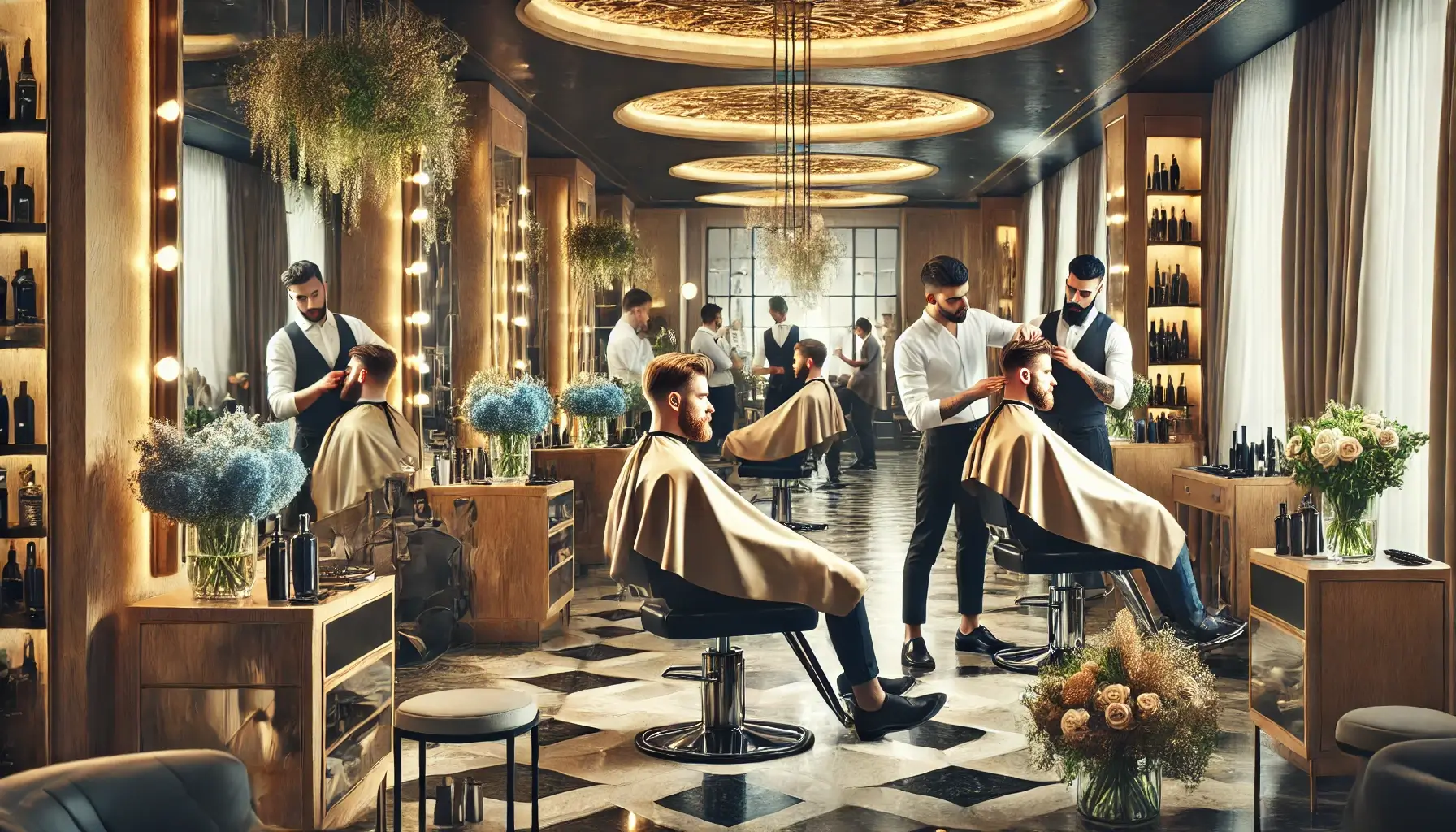
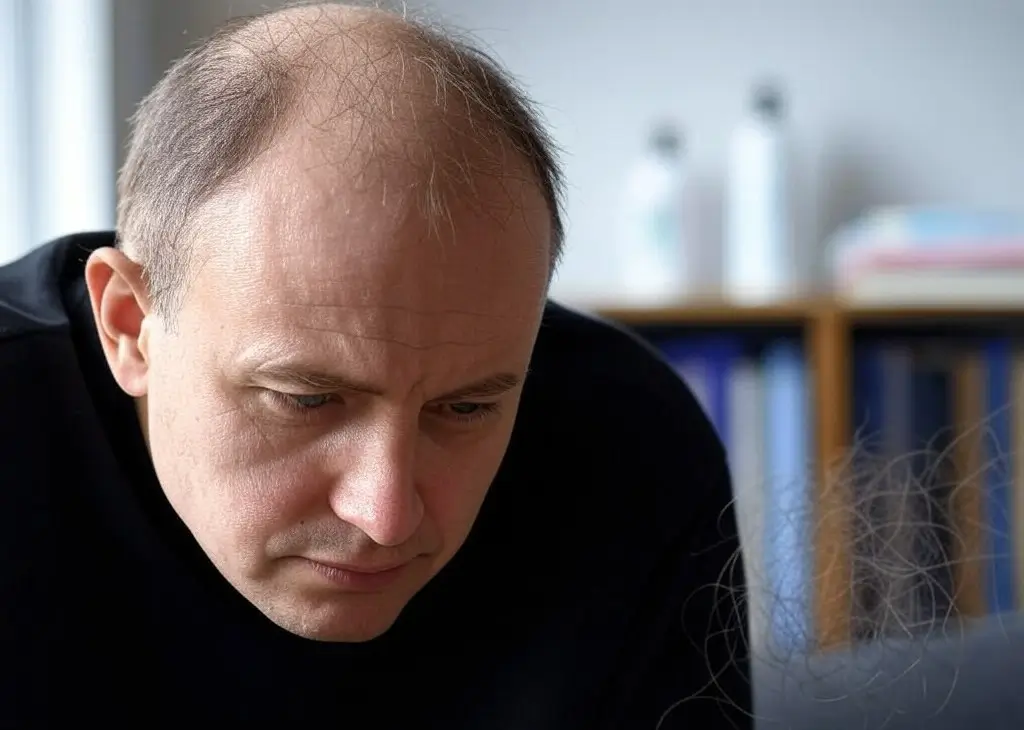
    Hair loss is a common issue that many people encounter at various stages of life. This condition can impact self-confidence and overall quality of life. Understanding the causes of hair loss can help manage and treat it effectively. Additionally, many individuals visit hair salons to improve the appearance of their hair.

    Main Causes of Hair Loss

    1. Genetic Hair Loss

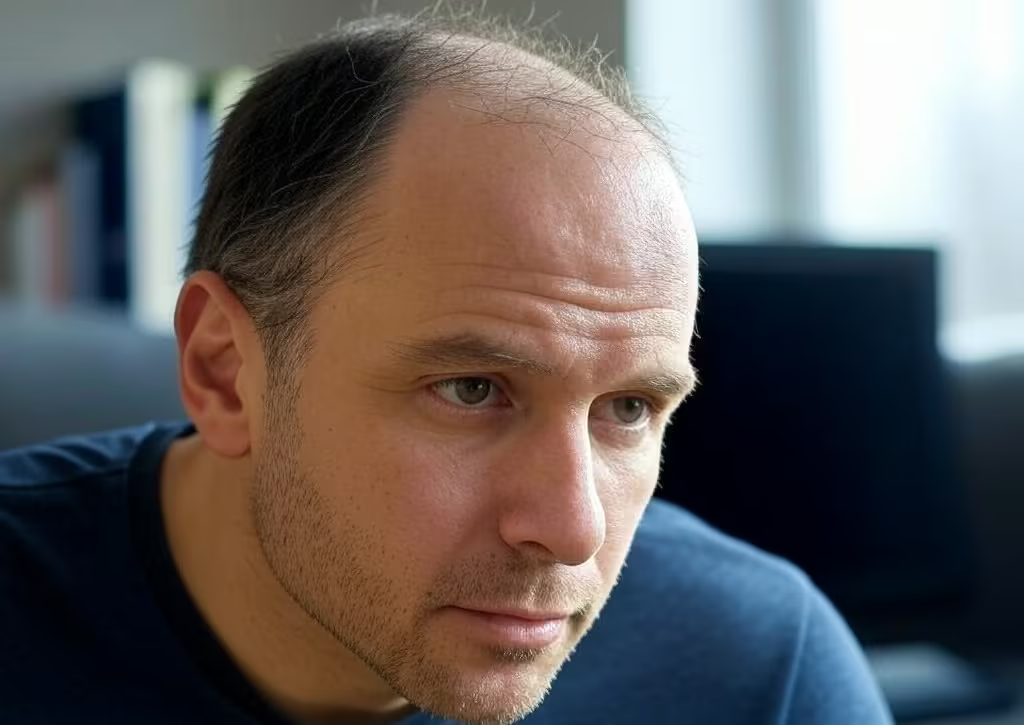
    One of the most common reasons for hair loss is genetic factors. In this type of hair loss, the pattern typically repeats within families and is more prevalent in men, although women can also experience this issue.

    2. Hormones and Hormonal Changes

    Hormonal changes play a significant role in hair health. Pregnancy, menopause, or conditions like thyroid disorders can lead to hair loss. Abnormal increases or decreases in certain hormones can also affect hair growth.

    3. Vitamin and Mineral Deficiencies

    Deficiencies in nutrients such as iron, biotin, and zinc can result in hair loss. These nutrients are essential for strengthening hair roots and promoting healthy growth.

    4. Medical Conditions and Diseases

    Conditions like alopecia areata, thyroid problems, or diabetes can cause hair loss. Diagnosing and treating these conditions is crucial to prevent further hair loss.

    5. Medication Side Effects

    Certain medications may have side effects, including hair loss. Chemotherapy, antidepressants, and blood pressure medications are among the culprits.

    6. Poor Nutrition and Inadequate Diet

    An unbalanced diet and insufficient calorie intake can weaken hair and lead to shedding. Consuming foods rich in vitamins and proteins can help prevent this issue.

    7. Improper Hair Care

    Frequent use of heat tools like hair dryers and straighteners, as well as harsh chemicals in strong dyes and perms, can damage hair and cause it to fall out. To avoid these issues, many people turn to professional salon services.

    8. Scalp Skin Disorders

    Conditions such as dandruff, psoriasis, and fungal infections can affect the scalp and lead to hair loss.

    Treatments and Lifestyle Changes

    Treatments and Lifestyle Changes

    • Adopting a balanced diet rich in nutrients.
    • Managing stress through relaxation techniques such as yoga and meditation.
    • Practicing proper hair care and using suitable products.
    • Visiting professional salons for grooming or enhancing hair appearance.

    When to See a Doctor

    If hair loss becomes severe and continuous or is accompanied by symptoms like itching or scalp sores, consulting a specialist is recommended. Early diagnosis can prevent the progression of the problem.

    Conclusion

    Hair loss can stem from various causes, including genetic and hormonal factors, nutritional deficiencies, and improper care. By identifying the exact cause and following proper care routines, it’s possible to control this issue and improve hair health. Professional services at salons can also enhance appearance and boost confidence.

    Frequently Asked Questions

    1. What is the main cause of hair loss in women?
    Hormonal changes and nutritional deficiencies are primary factors.

    2. How does stress cause hair loss?
    Stress disrupts the hair growth cycle, leading to sudden shedding.

    3. Can an improper diet lead to hair loss?
    Yes, a lack of vitamins and minerals in the diet can weaken hair and cause shedding.

    4. Is hair loss always permanent?
    No, many cases of hair loss are treatable.

    5. What natural remedies can reduce hair loss?
    Maintaining a healthy diet, managing stress, and using natural care products can help.

  • Hair Loss: A Comprehensive Guide to Causes

    Hair Loss: A Comprehensive Guide to Causes

    Hair loss is one of the most common beauty concerns among individuals. It can have profound effects on self-confidence and quality of life. There are numerous reasons for hair loss, including genetics, nutrition, stress, hormonal changes, and illnesses. In this article, we’ll provide a comprehensive look at hair loss, its types, and effective treatment options.

    Causes of Hair Loss

    Hair loss can have various causes. Some of these include genetics, nutrient deficiencies, stress, and environmental factors. Let’s examine each of these factors in detail.

    1. Genetics and Hair Loss

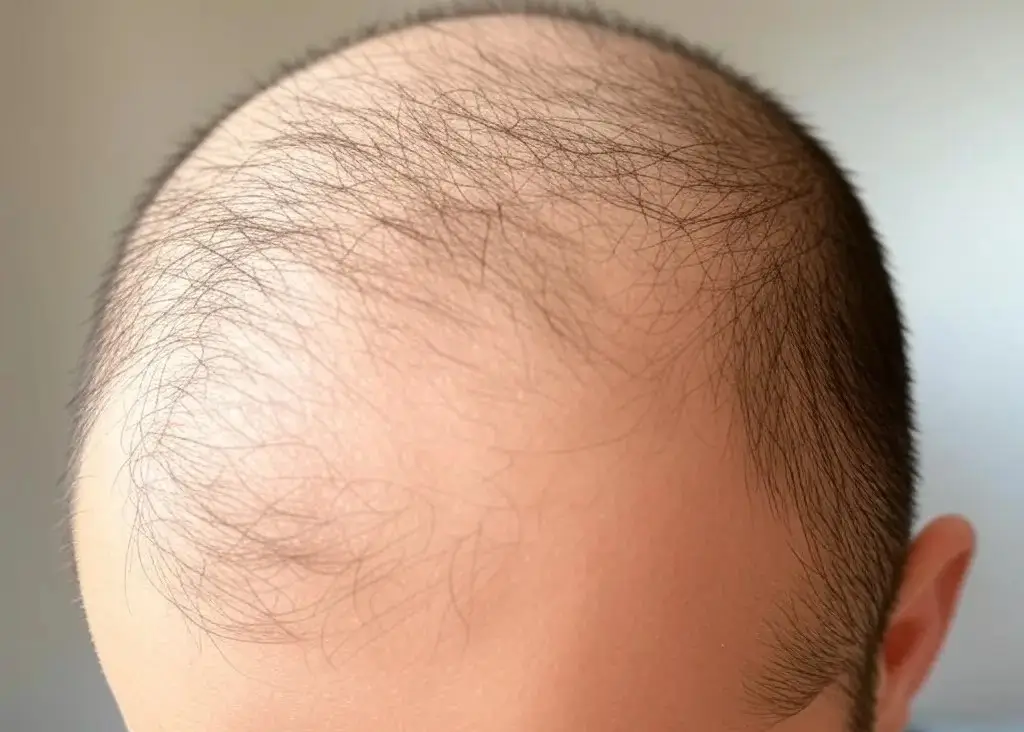
    Genetics is one of the most significant factors contributing to hair loss. If one of your parents or family members has experienced hair loss, you are likely predisposed to the condition. Genetic hair loss is commonly referred to as androgenetic alopecia, known as male pattern baldness in men and female pattern hair loss in women.

    • Why Does Genetics Play a Role?
      Genes associated with sensitivity to the hormone dihydrotestosterone (DHT) can cause hair follicles to shrink. Over time, this process leads to reduced hair growth.
    • Signs:
      • In men, hair loss often begins at the front and crown of the head.
      • In women, hair generally becomes thinner, particularly at the top of the head.

    Recommendation:
    Using DHT-blocking products or consulting a dermatologist for an accurate diagnosis can be helpful.

    2. Poor Nutrition

    Healthy nutrition plays a vital role in the growth and maintenance of hair. Hair follicles require nutrients to produce strands of hair. Deficiency in the following nutrients may lead to hair loss:

    • Iron:
      A primary cause of anemia, which weakens hair roots.
    • Biotin (Vitamin B7):
      A lack of this vitamin can cause brittle hair.
    • Zinc:
      This mineral helps regulate the production of natural oils on the scalp.
    • Proteins:
      Hair strands are made of keratin, a type of protein. Protein deficiency can halt hair growth.

    Practical Tip:
    Adding foods like eggs, lean meat, nuts, and green leafy vegetables to your diet can help.

    3. Stress and Mental Health

    Stress can be a key contributor to hair loss. Conditions such as telogen effluvium are often triggered by severe stress or sudden life changes. In such cases, a large number of hairs enter the resting phase, leading to rapid hair shedding.

    • Stress Triggers:
      1. Work-related pressures
      2. Financial worries
      3. Life changes such as pregnancy or illness
    • How Does Stress Affect Hair?
      Stress increases the production of hormones like cortisol, which can damage hair follicles.

    Suggestions:
    Breathing exercises, meditation, and physical activities like yoga can help reduce stress levels.

    Types of Hair Loss

    Types of Hair Loss

    Hair loss is classified into various types, each with its own causes and symptoms. Let’s explore three common types of hair loss.

    1. Alopecia Areata

    This type of hair loss, which occurs in patches, is an autoimmune condition. In this condition, the immune system mistakenly attacks hair follicles, causing hair loss in specific areas of the scalp or body.

    • Symptoms:
      • Sudden loss of hair in round or oval patches.
      • May not be accompanied by itching or pain.
    • Treatment:
      • Use of corticosteroids.
      • Topical treatments like minoxidil.

    2. Androgenetic Alopecia

    This is the most common type of hair loss among men and women. It is primarily caused by hormonal changes and genetics.

    • Characteristics:
      • In men, hair loss starts at the temples and crown of the head.
      • In women, hair becomes thinner across the entire scalp.
    • Treatment:
      • Oral medications like finasteride.
      • Medical procedures such as PRP (Platelet-Rich Plasma) therapy or hair transplants.

    3. Telogen Effluvium

    This type of hair loss is typically temporary and occurs due to stressors such as surgery, illness, or hormonal changes.

    • Characteristics:
      • Hair loss is diffuse across the scalp.
      • Hair enters the resting phase.
    • Treatment:
      • Returning to a healthy lifestyle.
      • Taking nutritional supplements.

    Common Treatments for Hair Loss

    Common Treatments for Hair Loss

    There are various treatment options available for combating hair loss, depending on the type and severity of the condition.

    1. Medicinal Treatments

    Medications like minoxidil and finasteride are used to reduce hair loss and promote regrowth.

    2. Lifestyle Changes

    • Following a balanced diet.
    • Reducing stress levels.
    • Using strengthening shampoos.

    3. Hair Transplants

    This method is suitable for individuals experiencing severe and permanent hair loss. Hair transplants usually provide long-lasting results.

    Preventing Hair Loss

    Preventing Hair Loss

    To prevent hair loss, consider the following methods:

    • Consume foods rich in vitamins and minerals.
    • Avoid overusing chemical-based hair products.
    • Use natural oils like argan or coconut oil for hair care.

    Frequently Asked Questions

    1. Is hair loss normal for everyone?
    Yes, losing 50 to 100 hairs per day is considered normal.

    2. Does washing hair daily cause hair loss?
    No, but using unsuitable shampoos may damage hair.

    Conclusion

    Hair loss can occur for various reasons, but identifying the cause and choosing the right treatment can effectively manage the condition. Healthy hair requires consistent care and a balanced lifestyle.