بلاگ

  • نوروز مبارک از آرمان سالن

    نوروز مبارک از آرمان سالن - آرایشگر

    جشن نوروز را با ظاهری تازه از آرایشگر محبوب خود جشن بگیرید

    با ورود به نوروز ۱۴۰۴، من، آرمان کارگاه، یک آرایشگر حرفه‌ای و بنیان‌گذار آرمان سالن، گرم‌ترین تبریکات خود را به همه مشتریان عزیز، دوستان و خانواده‌ام تقدیم می‌کنم.

    نوروز، زمان تجدید، زیبایی و تحول است—دقیقاً مانند جادویی که یک آرایشگر ماهر هر روز خلق می‌کند! همان‌طور که برای سال نو ایرانی خانه‌ها و کمد لباس‌هایمان را نو می‌کنیم، این فرصت مناسبی است تا مدل موی خود را نیز تازه کنیم.

    نوروز چیست و چرا اهمیت دارد؟

    معنای نوروز

    نوروز، به معنای “روز نو”، آغاز سال نو ایرانی است که با فصل بهار همراه شده و نماد آغازهای تازه، شادابی و تحول است.

    چرا نوروز بهترین زمان برای تغییر مدل مو است؟

    سال نو، ظاهر نو با آرایشگر مناسب

    همان‌طور که بهار انرژی جدیدی می‌آورد، یک مدل موی جدید نیز می‌تواند اعتمادبه‌نفس شما را احیا کند.

    به عنوان یک آرایشگر باتجربه، معتقدم که یک کوتاهی مو، رنگ جدید، یا درمان مو می‌تواند بهترین راه برای شروعی تازه باشد.

    این نوروز، بیایید با کمک یک آرایشگر حرفه‌ای که سبک و سلیقه شما را درک می‌کند، ظاهری تازه و جذاب را تجربه کنیم!

    آرمان سالن – آرایشگری که به او اعتماد دارید!

    چرا آرمان سالن را انتخاب کنید؟

    هدف من این است که شما زیباترین و بااعتمادبه‌نفس‌ترین نسخه خود باشید. در آرمان سالن، ما خدمات زیر را ارائه می‌دهیم:

    خدمات حرفه‌ای آرایشگری – به عنوان یک آرایشگر متخصص، در زمینه کوتاهی، رنگ مو و استایل‌دهی مهارت دارم.
    راهکارهای شخصی‌سازی‌شده – هر مشتری شخصیت منحصر‌به‌فردی دارد و یک آرایشگر ماهر می‌داند که چگونه مدل موی ایده‌آل را برای شما طراحی کند.
    مراقبت حرفه‌ای از مو – ما از محصولات با‌کیفیت و حرفه‌ای استفاده می‌کنیم تا موهای شما سالم، درخشان و زیبا بماند.
    تجربه‌ای آرامش‌بخش در سالن – در آرمان سالن، می‌توانید در محیطی آرامش‌بخش از خدمات آرایشی بهره ببرید.

    سال نو را با یک مدل موی زیبا آغاز کنید – از آرمان سالن دیدن کنید!

    دیدن مشتریانم که با اعتمادبه‌نفس و زیبایی وارد سال جدید می‌شوند، برایم لذت‌بخش‌ترین حس دنیاست.

    فرقی ندارد که به دنبال تغییری جسورانه هستید یا فقط یک تجدید سبک ملایم، من اینجا هستم تا به شما کمک کنم.

    🌸 نوروز مبارک! برای شما سالی پر از زیبایی، موفقیت و شادی آرزو دارم!

    با عشق،
    آرمان کارگاه
    آرایشگر حرفه‌ای و بنیان‌گذار آرمان سالن 🌿✨

  • چقدر روزه‌ داری در رمضان برای سلامتی مفید است ؟

    چقدر روزه‌ داری در رمضان برای سلامتی مفید است ؟

    مقدمه

    ماه مبارک رمضان برای میلیون‌ها مسلمان در سراسر جهان از اهمیت ویژه‌ای برخوردار است. این ماه نه‌تنها از نظر معنوی ارزشمند است، بلکه فواید روزه‌داری رمضان برای سلامتی نیز اثبات شده است. اما چقدر روزه گرفتن برای بدن مفید است؟ آیا روزه‌های طولانی ممکن است به بدن آسیب برساند؟

    در این مقاله، تأثیر روزه بر سلامتی، مدت زمان ایده‌آل روزه‌داری و بهترین راهکارها برای تغذیه در رمضان بررسی می‌شود.

    فواید روزه‌داری رمضان برای سلامتی

    ۱. سم‌زدایی و پاکسازی بدن

    روزه به بدن فرصتی برای دفع سموم می‌دهد. زمانی که سیستم گوارش استراحت می‌کند، بدن روی فرآیندهای بازسازی و ترمیم تمرکز کرده و عملکرد کلی بدن بهبود می‌یابد.

    ۲. مدیریت وزن و افزایش متابولیسم

    روزه‌داری رمضان به تنظیم متابولیسم کمک کرده و می‌تواند منجر به کاهش وزن شود. با کنترل وعده‌های غذایی و پرهیز از خوردن تنقلات ناسالم، بدن از چربی‌های ذخیره‌شده برای تأمین انرژی استفاده می‌کند.

    ۳. تقویت سیستم ایمنی بدن

    تحقیقات نشان می‌دهد که روزه‌داری می‌تواند سیستم ایمنی را تقویت کرده و التهاب را کاهش دهد. این امر به بدن در مقابله با بیماری‌ها کمک می‌کند.

    چقدر روزه گرفتن مفید است؟

    ۱. مدت زمان توصیه‌شده برای روزه‌داری

    مدت زمان استاندارد روزه‌داری در رمضان، از سحر تا افطار، برای کسب فواید سلامتی کافی است. این مدت زمان به بدن اجازه می‌دهد تا به روزه‌داری عادت کرده و عملکرد مطلوبی داشته باشد.

    ۲. تعادل روزه‌داری و تغذیه مناسب

    برای حفظ سلامتی، مصرف غذاهای متعادل در وعده‌های سحر و افطار ضروری است. پروتئین‌ها، چربی‌های سالم و ویتامین‌ها از جمله مواد غذایی مهم برای روزه‌داران هستند.

    تأثیر روزه بر بدن

    ۱. تأثیر روزه بر هضم و متابولیسم

    روزه به بهبود سلامت دستگاه گوارش کمک کرده و نفخ و مشکلات هضمی را کاهش می‌دهد. همچنین، قند خون را متعادل کرده و از نوسانات انسولین جلوگیری می‌کند.

    ۲. سطح انرژی و تمرکز ذهنی

    در ابتدا ممکن است برخی افراد احساس خستگی کنند، اما با عادت کردن بدن به روزه، تمرکز ذهنی و انرژی افزایش می‌یابد. نوشیدن آب کافی و مصرف غذاهای مغذی در افطار و سحر بسیار مهم است.

    توصیه‌های تغذیه‌ای در رمضان

    ۱. بهترین غذاها برای سحری و افطار

    • سحری: جو دوسر، تخم‌مرغ، ماست، میوه، غلات کامل
    • افطار: خرما، پروتئین‌های سبک، سبزیجات، چربی‌های سالم

    ۲. اهمیت هیدراتاسیون و نوشیدن آب کافی

    • بین افطار و سحر مقدار کافی آب بنوشید
    • از مصرف زیاد کافئین و نوشیدنی‌های قندی خودداری کنید
    • از غذاهای آبرسان مانند هندوانه، خیار و سوپ استفاده کنید

    دیدگاه علمی درباره روزه‌داری رمضان

    ۱. تحقیقات علمی درباره تأثیر روزه بر سلامتی

    تحقیقات نشان داده‌اند که روزه به بهبود سلامت قلب، تنظیم کلسترول و کاهش خطر بیماری‌های مزمن مانند دیابت کمک می‌کند.

    ۲. اثر روزه‌داری بر طول عمر و سلامت بدن

    برخی مطالعات نشان داده‌اند که روزه‌داری کنترل‌شده می‌تواند طول عمر را افزایش داده و فرآیندهای ترمیم سلولی را بهبود بخشد.

    اشتباهات رایج در روزه‌داری

    ۱. حذف سحری یا پرخوری در افطار

    خوردن سحری به حفظ انرژی کمک می‌کند، درحالی‌که پرخوری در افطار باعث احساس سنگینی و مشکلات گوارشی می‌شود.

    ۲. کم‌آبی بدن و انتخاب نامناسب غذاها

    نوشیدن کم آب و مصرف غذاهای سرخ‌شده و فرآوری‌شده می‌تواند فواید روزه‌داری را کاهش دهد.

    نکات مهم برای روزه‌داری سالم

    ۱. چگونه انرژی خود را در طول روز حفظ کنیم؟

    • مصرف کربوهیدرات‌های پیچیده در سحر برای انرژی ماندگار
    • مصرف چربی‌های سالم و پروتئین برای افزایش استقامت

    ۲. اهمیت خواب و ورزش در دوران روزه‌داری

    • داشتن خواب کافی (۶ تا ۸ ساعت) برای جلوگیری از خستگی
    • انجام فعالیت‌های سبک مانند پیاده‌روی بعد از افطار

    سوالات متداول

    ۱. روزه‌داری چگونه بر متابولیسم تأثیر می‌گذارد؟

    روزه با کاهش مقاومت به انسولین و افزایش چربی‌سوزی به تنظیم متابولیسم کمک می‌کند.

    ۲. آیا روزه به سم‌زدایی بدن کمک می‌کند؟

    بله، روزه به بدن فرصت می‌دهد تا سموم را دفع کند و عملکرد کلی بدن را بهبود بخشد.

    ۳. بهترین روش برای باز کردن روزه چیست؟

    مصرف خرما و آب توصیه می‌شود، سپس یک وعده متعادل میل کنید.

  • How Much Fasting is Good in Ramadan for Your Health ?

    How Much Fasting is Good in Ramadan for Your Health ?

    Introduction

    Ramadan is a sacred month observed by millions of Muslims worldwide, involving daily fasting from dawn to sunset. Beyond its spiritual importance, fasting during Ramadan offers numerous health benefits. But how much fasting is considered good for the body? Can extended fasting be harmful, or is it beneficial?

    This article explores the Ramadan fasting benefits for health, the ideal fasting duration, and the best ways to maintain a balanced diet during this holy month.

    Health Benefits of Ramadan Fasting

    1. Detoxification and Purification of the Body

    Fasting acts as a natural detox, allowing the body to eliminate toxins. When the digestive system rests, the body focuses on repair and rejuvenation, leading to improved overall health.

    2. Weight Management and Metabolism Boost

    Fasting in Ramadan can help regulate metabolism and support weight loss. By controlling meal timings and avoiding unhealthy snacking, the body burns stored fat for energy, promoting weight balance.

    3. Strengthening the Immune System

    Studies suggest that fasting can enhance immunity by reducing inflammation and promoting cell regeneration. A strong immune system is essential for preventing diseases and maintaining good health.

    How Much Fasting is Ideal?

    1. The Recommended Fasting Duration

    The standard fasting duration in Ramadan, from Suhoor (pre-dawn meal) to Iftar (sunset meal), is sufficient to gain health benefits without causing harm. This period allows the body to adapt and function efficiently.

    2. Balancing Fasting with a Nutritious Diet

    To ensure that fasting remains beneficial, it’s crucial to consume balanced meals at Suhoor and Iftar, including proteins, healthy fats, and essential vitamins.

    Effects of Fasting on the Body

    1. Impact on Digestion and Metabolism

    Fasting helps improve gut health by reducing bloating and giving the digestive system a break. It also stabilizes blood sugar levels, preventing insulin spikes.

    2. Energy Levels and Mental Clarity

    While some may feel fatigued initially, fasting improves focus and mental clarity as the body adapts. Proper hydration and nutrient-rich foods help maintain energy levels.

    Nutritional Considerations During Ramadan

    1. Best Foods for Suhoor and Iftar

    • Suhoor: Oats, eggs, yogurt, fruits, whole grains
    • Iftar: Dates, lean proteins, vegetables, healthy fats

    2. Hydration Tips and Its Importance

    • Drink plenty of water between Iftar and Suhoor
    • Avoid excessive caffeine and sugary drinks
    • Eat hydrating foods like watermelon, cucumbers, and soups

    Scientific Perspective on Ramadan Fasting

    1. Research on Fasting and Overall Well-being

    Scientific studies show that fasting can improve heart health, regulate cholesterol, and reduce the risk of chronic diseases like diabetes.

    2. The Effects of Fasting on Longevity

    Some research suggests that controlled fasting can increase lifespan and improve cellular repair mechanisms.

    Common Mistakes in Fasting

    1. Skipping Suhoor or Overeating at Iftar

    Skipping Suhoor can lead to low energy levels, while overeating at Iftar can cause bloating and discomfort.

    2. Dehydration and Improper Meal Choices

    Lack of water and excessive intake of fried or processed foods can negatively impact fasting benefits.

    Tips for Healthy Fasting

    1. How to Maintain Energy Throughout the Day

    • Eat complex carbohydrates at Suhoor for sustained energy
    • Include healthy fats and proteins for better endurance

    2. Importance of Sleep and Exercise

    • Ensure at least 6-8 hours of sleep to prevent fatigue
    • Engage in light physical activities like walking after Iftar

    FAQs

    1. How does Ramadan fasting affect metabolism?

    Fasting stabilizes metabolism by reducing insulin resistance and promoting fat-burning.

    2. Can fasting help in detoxification?

    Yes, fasting allows the body to eliminate toxins, improving liver and kidney functions.

    3. What is the ideal way to break a fast?

    Breaking the fast with dates and water is recommended, followed by a balanced meal.

    4. How to prevent dehydration while fasting?

    Drink enough water at Suhoor and Iftar and consume hydrating foods.

    5. Is fasting safe for people with health conditions?

    Consult a doctor before fasting if you have chronic health issues.

    6. What are the best foods to eat for sustained energy?

    Whole grains, proteins, nuts, and fiber-rich foods help maintain energy throughout the day.

  • The Impact of Food on Health: A Comprehensive

    The Impact of Food on Health

    Introduction

    Food is an essential part of our daily lives, serving not only as a source of energy but also having a profound impact on overall health. Understanding the positive and negative effects of food can help us make healthier dietary choices. In this article, we will explore the scientific and comprehensive impact of food on the body.

    Initial Effects of Food on the Body

    Food as an Energy Source

    One of the most important roles of food is to provide the energy the body needs for daily activities. Carbohydrates, fats, and proteins are the main energy sources that the body uses for metabolism.
    Food and Digestion

    Food and Digestion: The Beginning of the Process in the Digestive System

    The digestion process begins as soon as food enters the mouth. Saliva and enzymes in the digestive system play a key role in breaking down food and absorbing nutrients. A healthy diet supports better digestive system performance.

    Healthy Foods and Their Role in Body Health

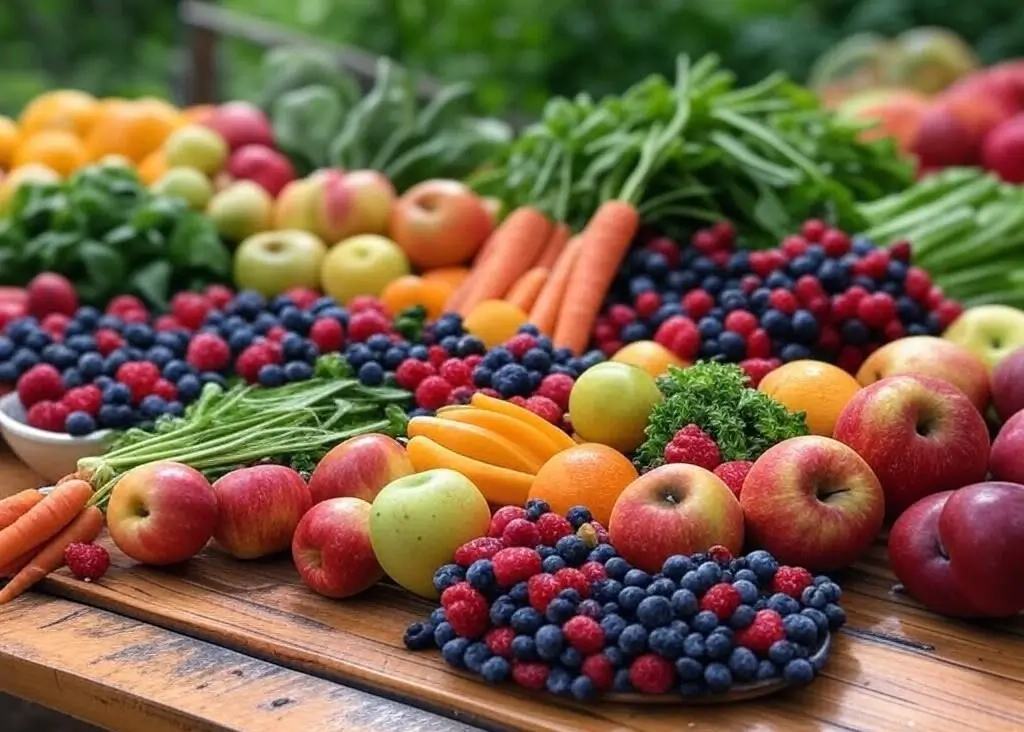
    Fruits and Vegetables: Sources of Vitamins and Antioxidants

    Fruits and vegetables are rich in vitamins, minerals, and antioxidants, which protect the body against oxidative damage and help strengthen the immune system.

    Proteins: The Building Blocks of Muscles and Cells

    Proteins are the building blocks of the body. They are essential for cell repair, muscle strengthening, and tissue recovery. Protein sources include meat, fish, eggs, and plant-based products like legumes and nuts.

    The Role of Food in the Immune System

    Immune-Boosting Foods

    Foods such as citrus fruits, ginger, garlic, and yogurt, which are rich in nutrients and probiotics, help strengthen the immune system and reduce the risk of illness.

    Nutritional Deficiencies and Weakened Immune System

    A lack of essential nutrients such as vitamin C, zinc, and iron can weaken the immune system, making the body more vulnerable to infections.

    Food and Heart Health

    Food and Heart Health

    Foods Beneficial for Heart Health

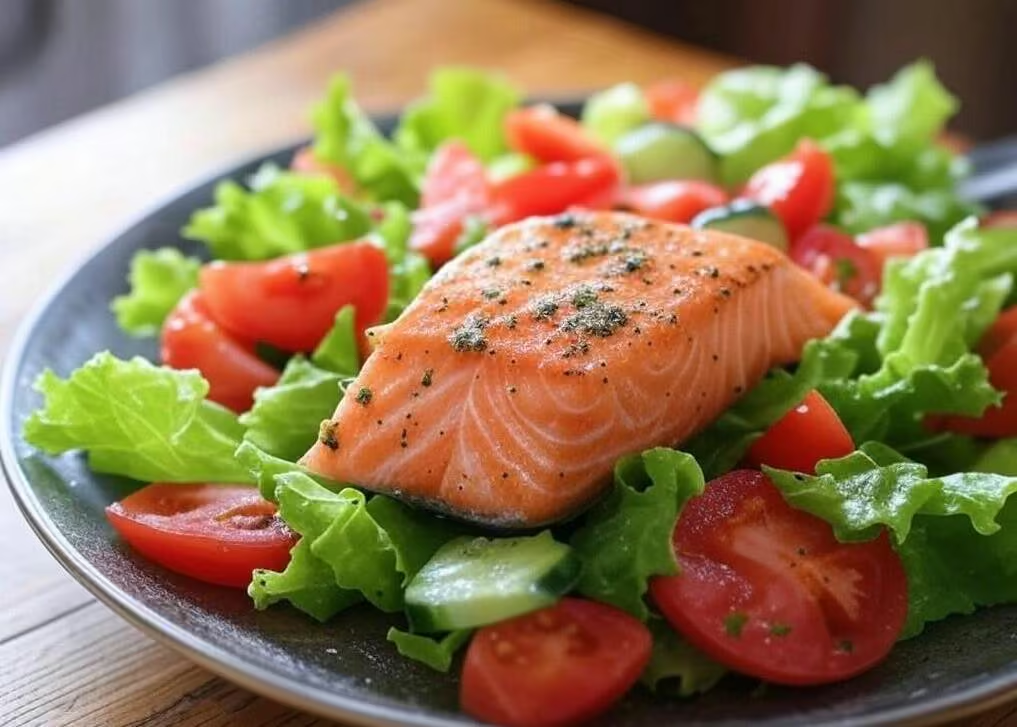
    Foods rich in omega-3 fatty acids, fiber, and antioxidants, such as salmon, walnuts, and oats, support heart health.

    The Impact of Fats and Cholesterol in Food

    Excessive consumption of saturated and trans fats can raise bad cholesterol (LDL) levels and increase the risk of heart disease. Instead, unsaturated fats like olive oil should be consumed.

    The Impact of Food on the Brain and Mental Health

    Brain-Boosting Foods

    Foods like blueberries, walnuts, and fish contain nutrients that enhance memory and concentration.

    The Link Between Nutrition and Mental Health

    Studies have shown that diets high in sugar and fat may increase the risk of depression and anxiety, while healthy foods improve mood.

    Balanced Diets and a Healthy Body

    The Importance of Balance in a Diet

    A balanced diet should include all food groups and meet the daily nutritional needs of the body.

    Common Mistakes in Dietary Plans

    Eliminating an entire food group or consuming excessive amounts of sugary and fatty foods are common mistakes that can harm overall health.
    Food and Healthy Skin

    Food and Healthy Skin

    Foods for Youthful and Radiant Skin

    Avocado, fish, and green tea, rich in vitamin E and fatty acids, contribute to healthy and glowing skin.

    Foods Harmful to Skin

    Excessive consumption of processed foods and sweets can lead to skin issues like acne.

    How Do Our Food Choices Impact Longevity?

    Healthy Eating and Prevention of Chronic Diseases

    A proper diet can reduce the risk of diseases such as diabetes, hypertension, and cancer.

    A Healthy and Longer Lifestyle

    Choosing healthy foods and maintaining regular physical activity can improve the quality of life and increase longevity.

    Popular Diets and Their Impacts

    The Mediterranean Diet

    The Mediterranean diet emphasizes the consumption of fruits, vegetables, olive oil, and fish, promoting heart health and weight loss.

    Low-Carb Diet

    This diet focuses on reducing carbohydrate intake and increasing protein and fat consumption, which can be effective for weight loss.

    The Role of Hydration in Body Health

    The Importance of Water and Fluids with Food

    Water helps organs function better and prevents dehydration.

    Water-Rich Foods for the Body

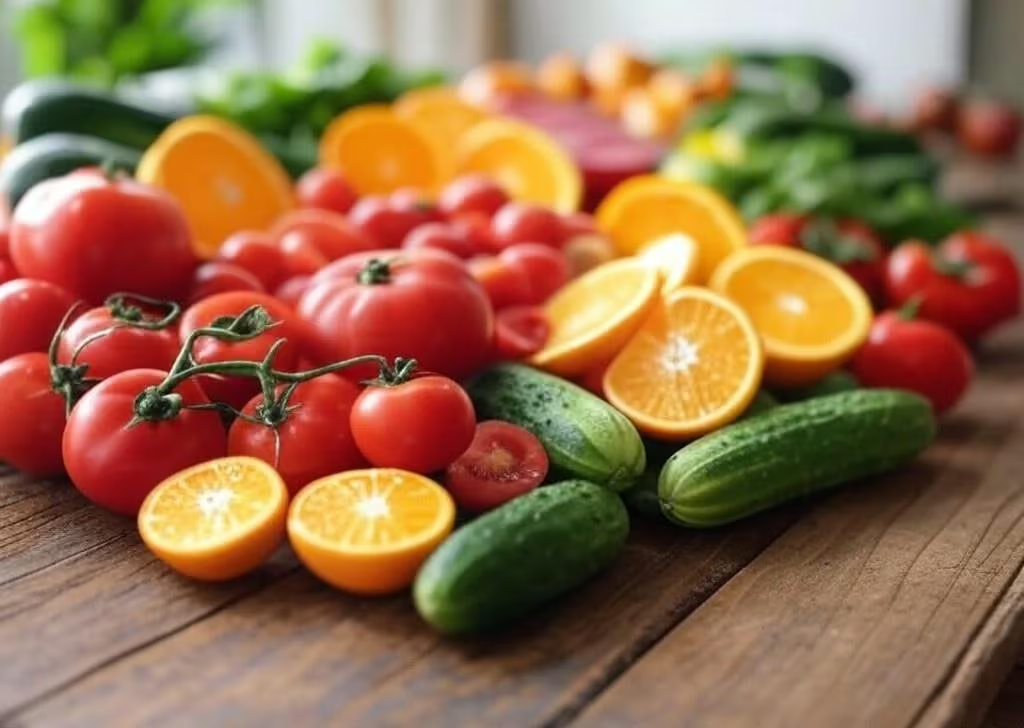
    Foods like cucumber, watermelon, and celery help maintain the body’s hydration.

    Food and Bone Health

    Calcium and Vitamin D in Foods

    Foods such as milk, yogurt, and fish strengthen bones.

    The Impact of Nutritional Deficiencies on Bone Density

    Calcium and vitamin D deficiencies can lead to osteoporosis and an increased risk of fractures.

    How Proper Nutrition Can Prevent Diseases

    Diabetes

    A low-sugar and high-fiber diet can help control blood sugar levels.

    Hypertension

    Consuming less salt and eating foods rich in potassium, such as bananas, can reduce blood pressure.

    The Role of Food in an Active Lifestyle and Exercise

    Pre- and Post-Workout Foods

    High-carb foods before exercise and proteins after exercise are suitable for muscle recovery.

    Energizing the Body for Workouts

    Foods like bananas and nuts provide sufficient energy for exercise.

    Conclusion and Recommendations

    Nutrition plays a key role in body health and disease prevention. Making informed choices about healthy foods, maintaining a balanced diet, and leading an active lifestyle can improve quality of life and increase longevity. Consulting a nutritionist is always the best way to achieve health goals.

  • تاثیر غذا بر سلامت بدن: راهنمای کامل و علمی

    تاثیر غذا بر سلامت بدن

    مقدمه

    غذا بخش مهمی از زندگی روزمره ماست که نه تنها به عنوان منبع انرژی عمل می‌کند، بلکه تأثیر عمیقی بر سلامت کلی بدن دارد. آگاهی از تأثیرات مثبت و منفی غذا می‌تواند ما را در انتخاب رژیم غذایی سالم‌تر یاری دهد. در این مقاله، به بررسی علمی و جامع تاثیر غذا بر بدن خواهیم پرداخت.

    تاثیرات اولیه غذا بر بدن

    انرژی‌زایی غذا

    یکی از مهم‌ترین نقش‌های غذا تأمین انرژی مورد نیاز بدن برای فعالیت‌های روزانه است. کربوهیدرات‌ها، چربی‌ها و پروتئین‌ها منابع اصلی انرژی هستند که بدن از آنها برای سوخت و ساز استفاده می‌کند.

    غذا و هضم: شروع فرآیند در دستگاه گوارش

    فرآیند هضم از لحظه ورود غذا به دهان آغاز می‌شود. بزاق و آنزیم‌های موجود در دستگاه گوارش نقش کلیدی در تجزیه غذا و جذب مواد مغذی ایفا می‌کنند. تغذیه سالم به عملکرد بهتر سیستم گوارش کمک می‌کند.

    غذاهای سالم و نقش آنها در سلامت بدن

    غذاهای سالم و نقش آنها در سلامت بدن

    میوه‌ها و سبزیجات: منابع ویتامین و آنتی‌اکسیدان

    میوه‌ها و سبزیجات غنی از ویتامین‌ها، مواد معدنی و آنتی‌اکسیدان‌ها هستند که بدن را در برابر آسیب‌های اکسیداتیو محافظت می‌کنند و به تقویت سیستم ایمنی کمک می‌کنند.

    پروتئین‌ها: سازنده‌های عضلات و سلول‌ها

    پروتئین‌ها واحدهای سازنده بدن هستند. آنها برای بازسازی سلول‌ها، تقویت عضلات و ترمیم بافت‌های آسیب‌دیده ضروری‌اند. منابع پروتئین شامل گوشت، ماهی، تخم‌مرغ و محصولات گیاهی مانند حبوبات و مغزها هستند.

    نقش غذا در سیستم ایمنی بدن

    غذاهای تقویت‌کننده سیستم ایمنی

    غذاهایی مانند مرکبات، زنجبیل، سیر و ماست با داشتن مواد مغذی و پروبیوتیک‌ها به تقویت سیستم ایمنی کمک می‌کنند و خطر ابتلا به بیماری‌ها را کاهش می‌دهند.

    کمبود تغذیه‌ای و ضعف سیستم ایمنی

    کمبود مواد مغذی مهم مانند ویتامین C، روی و آهن می‌تواند سیستم ایمنی را تضعیف کند و بدن را در برابر عفونت‌ها آسیب‌پذیرتر کند.

    غذا و سلامت قلب

    غذا و سلامت قلب

    غذاهای مفید برای سلامت قلب

    غذاهایی که سرشار از اسیدهای چرب امگا-3، فیبر و آنتی‌اکسیدان هستند مانند ماهی سالمون، گردو و جو دوسر به سلامت قلب کمک می‌کنند.

    تاثیر چربی‌ها و کلسترول در غذا

    مصرف زیاد چربی‌های اشباع و ترانس می‌تواند سطح کلسترول بد (LDL) را افزایش داده و خطر بیماری‌های قلبی را افزایش دهد. به جای آن باید از چربی‌های غیر اشباع مانند روغن زیتون استفاده کرد.

    تاثیر غذا بر مغز و روان

    غذاهای تقویت‌کننده عملکرد مغز

    مواد غذایی مانند بلوبری، گردو و ماهی حاوی مواد مغذی هستند که حافظه و تمرکز را تقویت می‌کنند.

    ارتباط تغذیه با سلامت روان

    مطالعات نشان داده است که رژیم‌های غذایی سرشار از شکر و چربی ممکن است خطر افسردگی و اضطراب را افزایش دهد، در حالی که غذاهای سالم باعث بهبود خلق و خو می‌شوند.

    رژیم‌های غذایی متعادل و بدن سالم

    رژیم‌های غذایی متعادل و بدن سالم

    اهمیت تعادل در رژیم غذایی

    یک رژیم غذایی متعادل باید شامل تمام گروه‌های غذایی باشد و نیازهای روزانه بدن را تأمین کند.

    اشتباهات رایج در برنامه‌های غذایی

    حذف کامل یک گروه غذایی یا مصرف بیش از حد مواد قندی و چرب از جمله اشتباهات رایج است که می‌تواند به سلامت بدن آسیب برساند.

    غذا و پوست سالم

    غذاهای مناسب برای پوست جوان و شاداب

    غذاهایی مانند آووکادو، ماهی و چای سبز با داشتن ویتامین E و اسیدهای چرب به سلامت و شادابی پوست کمک می‌کنند.

    غذاهای مضر برای پوست

    مصرف زیاد غذاهای فرآوری شده و شیرینی‌ها می‌تواند منجر به مشکلات پوستی مانند آکنه شود.

    چگونه انتخاب‌های غذایی ما بر طول عمر تاثیر می‌گذارند؟

    تغذیه سالم و پیشگیری از بیماری‌های مزمن

    رژیم غذایی مناسب می‌تواند خطر بیماری‌هایی مانند دیابت، فشار خون و سرطان را کاهش دهد.

    سبک زندگی سالم و طولانی‌تر

    انتخاب غذاهای سالم و داشتن فعالیت بدنی منظم به افزایش طول عمر و کیفیت زندگی کمک می‌کند.

    رژیم‌های غذایی معروف و تاثیرات آنها

    رژیم مدیترانه‌ای

    مصرف میوه‌ها، سبزیجات، روغن زیتون و ماهی تأکید دارد و به سلامت قلب و کاهش وزن کمک می‌کند.

    رژیم کم کربوهیدرات

    این رژیم بر کاهش مصرف کربوهیدرات و افزایش پروتئین و چربی تمرکز دارد و می‌تواند برای کاهش وزن مفید باشد.

    نقش هیدراتاسیون در سلامت بدن

    اهمیت آب و مایعات در کنار غذا

    آب به عملکرد بهتر اندام‌ها کمک کرده و از کم‌آبی بدن جلوگیری می‌کند.

    غذاهای پرآب برای بدن

    خیار، هندوانه و کرفس غذاهایی هستند که به حفظ آب بدن کمک می‌کنند.

    غذا و سلامت استخوان‌ها

    کلسیم و ویتامین D در غذاها

    مواد غذایی مانند شیر، ماست و ماهی به تقویت استخوان‌ها کمک می‌کنند.

    تاثیر کمبود تغذیه‌ای بر تراکم استخوان

    کمبود کلسیم و ویتامین D می‌تواند منجر به پوکی استخوان و افزایش خطر شکستگی شود.

    چگونه تغذیه مناسب می‌تواند از بیماری‌ها جلوگیری کند؟

    دیابت

    رژیم غذایی کم شکر و پر فیبر می‌تواند به کنترل قند خون کمک کند.

    فشار خون بالا

    مصرف نمک کمتر و استفاده از غذاهای سرشار از پتاسیم مانند موز می‌تواند فشار خون را کاهش دهد.

    نقش غذا در سبک زندگی فعال و ورزش

    غذاهای مناسب قبل و بعد از ورزش

    قبل از ورزش غذاهایی با کربوهیدرات بالا و بعد از ورزش پروتئین‌ها برای بازسازی عضلات مناسب هستند.

    انرژی‌رسانی به بدن برای تمرینات ورزشی

    غذاهایی مانند موز و آجیل انرژی کافی برای تمرینات ورزشی را فراهم می‌کنند.

    نتیجه‌گیری و توصیه‌ها

    تغذیه نقش کلیدی در سلامت بدن و پیشگیری از بیماری‌ها دارد. انتخاب آگاهانه غذاهای سالم، رژیم غذایی متعادل و سبک زندگی فعال می‌تواند به بهبود کیفیت زندگی و افزایش طول عمر کمک کند. همواره مشاوره با متخصص تغذیه می‌تواند بهترین راه برای دستیابی به اهداف سلامتی باشد.

  • Causes of Hair Loss

    Causes of Hair Loss

    Introduction

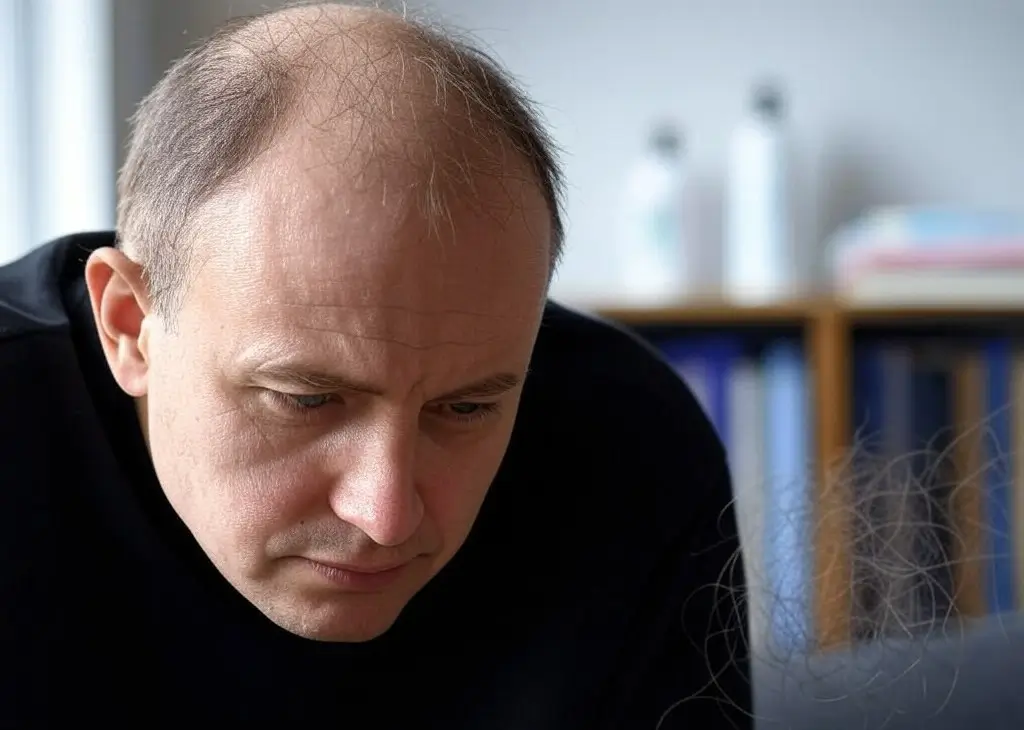
    Hair loss is a common issue that many people encounter at various stages of life. This condition can impact self-confidence and overall quality of life. Understanding the causes of hair loss can help manage and treat it effectively. Additionally, many individuals visit hair salons to improve the appearance of their hair.

    Main Causes of Hair Loss

    1. Genetic Hair Loss

    One of the most common reasons for hair loss is genetic factors. In this type of hair loss, the pattern typically repeats within families and is more prevalent in men, although women can also experience this issue.

    2. Hormones and Hormonal Changes

    Hormonal changes play a significant role in hair health. Pregnancy, menopause, or conditions like thyroid disorders can lead to hair loss. Abnormal increases or decreases in certain hormones can also affect hair growth.

    3. Vitamin and Mineral Deficiencies

    Deficiencies in nutrients such as iron, biotin, and zinc can result in hair loss. These nutrients are essential for strengthening hair roots and promoting healthy growth.

    4. Medical Conditions and Diseases

    Conditions like alopecia areata, thyroid problems, or diabetes can cause hair loss. Diagnosing and treating these conditions is crucial to prevent further hair loss.

    5. Medication Side Effects

    Certain medications may have side effects, including hair loss. Chemotherapy, antidepressants, and blood pressure medications are among the culprits.

    6. Poor Nutrition and Inadequate Diet

    An unbalanced diet and insufficient calorie intake can weaken hair and lead to shedding. Consuming foods rich in vitamins and proteins can help prevent this issue.

    7. Improper Hair Care

    Frequent use of heat tools like hair dryers and straighteners, as well as harsh chemicals in strong dyes and perms, can damage hair and cause it to fall out. To avoid these issues, many people turn to professional salon services.

    8. Scalp Skin Disorders

    Conditions such as dandruff, psoriasis, and fungal infections can affect the scalp and lead to hair loss.

    Treatments and Lifestyle Changes

    Treatments and Lifestyle Changes

    • Adopting a balanced diet rich in nutrients.
    • Managing stress through relaxation techniques such as yoga and meditation.
    • Practicing proper hair care and using suitable products.
    • Visiting professional salons for grooming or enhancing hair appearance.

    When to See a Doctor

    If hair loss becomes severe and continuous or is accompanied by symptoms like itching or scalp sores, consulting a specialist is recommended. Early diagnosis can prevent the progression of the problem.

    Conclusion

    Hair loss can stem from various causes, including genetic and hormonal factors, nutritional deficiencies, and improper care. By identifying the exact cause and following proper care routines, it’s possible to control this issue and improve hair health. Professional services at salons can also enhance appearance and boost confidence.

    Frequently Asked Questions

    1. What is the main cause of hair loss in women?
    Hormonal changes and nutritional deficiencies are primary factors.

    2. How does stress cause hair loss?
    Stress disrupts the hair growth cycle, leading to sudden shedding.

    3. Can an improper diet lead to hair loss?
    Yes, a lack of vitamins and minerals in the diet can weaken hair and cause shedding.

    4. Is hair loss always permanent?
    No, many cases of hair loss are treatable.

    5. What natural remedies can reduce hair loss?
    Maintaining a healthy diet, managing stress, and using natural care products can help.

  • دلایل ریزش مو

    دلایل ریزش مو

    مقدمه

    ریزش مو یکی از مشکلات رایجی است که بسیاری از افراد در مراحل مختلف زندگی با آن مواجه می‌شوند. این مشکل می‌تواند بر اعتماد به نفس و کیفیت زندگی فرد تأثیر بگذارد. آگاهی از دلایل ریزش مو می‌تواند به مدیریت بهتر و درمان آن کمک کند. همچنین، بسیاری از افراد برای بهبود ظاهر موهای خود به سالن آرایشگاه مراجعه می‌کنند.

    دلایل اصلی ریزش مو

    ریزش موی ارثی (ژنتیکی)

    یکی از شایع‌ترین دلایل ریزش مو، عوامل ژنتیکی است. در این نوع ریزش مو، الگوی ریزش معمولاً در خانواده‌ها تکرار می‌شود و بیشتر در مردان دیده می‌شود، هرچند زنان نیز ممکن است دچار این مشکل شوند.

    هورمون‌ها و تغییرات هورمونی

    تغییرات هورمونی نقش مهمی در سلامت مو دارند. دوران بارداری، یائسگی، یا مشکلاتی نظیر اختلالات تیروئیدی می‌توانند باعث ریزش مو شوند. همچنین افزایش یا کاهش غیرطبیعی برخی هورمون‌ها می‌تواند رشد مو را تحت تأثیر قرار دهد.

    کمبود ویتامین‌ها و مواد معدنی

    کمبود مواد مغذی مانند آهن، بیوتین، و روی می‌تواند به ریزش مو منجر شود. این مواد برای تقویت ریشه مو و رشد سالم آن بسیار ضروری هستند.

    مشکلات پزشکی و بیماری‌ها

    مشکلات پزشکی و بیماری‌ها

    بیماری‌هایی نظیر آلوپسی آره‌آتا، مشکلات تیروئیدی، یا دیابت می‌توانند باعث ریزش مو شوند. تشخیص و درمان این بیماری‌ها برای جلوگیری از ریزش بیشتر مو حیاتی است.

    مصرف داروها

    برخی از داروها می‌توانند عوارض جانبی مانند ریزش مو داشته باشند. شیمی‌درمانی، داروهای ضدافسردگی، و داروهای کاهش فشار خون از جمله این موارد هستند.

    سوء تغذیه و رژیم غذایی نامناسب

    رژیم غذایی نامتعادل و کمبود کالری می‌تواند باعث ضعف و ریزش مو شود. مصرف غذاهای غنی از ویتامین‌ها و پروتئین‌ها می‌تواند از این مشکل جلوگیری کند.

    مراقبت نادرست از مو

    استفاده مکرر از ابزارهای حرارتی مانند سشوار و اتوی مو، و همچنین مواد شیمیایی مانند رنگ‌های قوی و مواد فرکننده، می‌تواند به مو آسیب برساند و باعث ریزش آن شود. برای جلوگیری از این مشکلات، بسیاری از افراد از خدمات حرفه‌ای در سالن آرایشگاه استفاده می‌کنند.

    بیماری‌های پوستی سر

    مشکلاتی مانند شوره سر، پسوریازیس، و عفونت‌های قارچی می‌توانند پوست سر را تحت تأثیر قرار داده و باعث ریزش مو شوند.

    درمان‌ها و تغییرات سبک زندگی

    • استفاده از رژیم غذایی متعادل و غنی از مواد مغذی.
    • مدیریت استرس از طریق تمرینات آرام‌بخش مانند یوگا و مدیتیشن.
    • رعایت اصول مراقبت از مو و استفاده از محصولات مناسب.
    • مراجعه به آرایشگاه داماد برای گریم داماد یا تقویت ظاهر موها.

    چه زمانی به پزشک مراجعه کنیم؟

    اگر ریزش مو به‌صورت مداوم و شدید رخ دهد یا با علائم دیگری مانند خارش یا زخم‌های پوستی همراه باشد، بهتر است به پزشک متخصص مراجعه کنید. تشخیص زودهنگام می‌تواند از پیشرفت مشکل جلوگیری کند.

    نتیجه‌گیری

    ریزش مو می‌تواند دلایل متعددی داشته باشد، از عوامل ژنتیکی و هورمونی گرفته تا مشکلات تغذیه‌ای و مراقبت نادرست. با شناسایی علت دقیق و رعایت اصول مراقبتی، می‌توان این مشکل را کنترل کرد و سلامت موها را بهبود بخشید. خدمات سالن‌های حرفه‌ای مانند آرایشگاه داماد می‌تواند به بهبود ظاهر و اعتماد به نفس افراد کمک کند.

    پرسش‌های متداول

    1. علت اصلی ریزش مو در زنان چیست؟ تغییرات هورمونی و کمبود مواد مغذی از دلایل اصلی هستند.
    2. چگونه استرس باعث ریزش مو می‌شود؟ استرس چرخه رشد مو را مختل کرده و باعث ریزش ناگهانی می‌شود.
    3. آیا رژیم غذایی نامناسب می‌تواند منجر به ریزش مو شود؟ بله، کمبود ویتامین‌ها و مواد معدنی در رژیم غذایی می‌تواند به ضعف و ریزش مو منجر شود.
    4. آیا ریزش مو همیشه دائمی است؟ خیر، بسیاری از موارد ریزش مو قابل درمان هستند.
    5. راهکارهای طبیعی برای کاهش ریزش مو چیست؟ رعایت رژیم غذایی سالم، مدیریت استرس، و استفاده از محصولات طبیعی مراقبتی می‌توانند کمک‌کننده باشند.
  • Hair Strengthening: A Comprehensive Guide

    Hair Strengthening

    Why Is Hair Strengthening Important?

    Strengthening your hair not only enhances your appearance but also reflects your overall health. Weak and brittle hair can result from poor nutrition, vitamin deficiencies, stress, or improper care.

    Best Natural Ingredients for Hair Strengthening

    Natural ingredients play a vital role in strengthening hair. Using these remedies is cost-effective and has fewer side effects.

    Effective Natural Oils

    • Coconut Oil: A powerful moisturizer that prevents breakage.
    • Argan Oil: Rich in Vitamin E, it helps strengthen and soften hair.
    • Castor Oil: Promotes hair growth and reduces hair loss.

    DIY Hair Masks for Stronger Hair

    Egg and Honey Mask

    1. Mix one egg with two tablespoons of honey.
    2. Apply the mixture to damp hair.
    3. Rinse with lukewarm water after 30 minutes.

    Banana and Olive Oil Mask

    1. Mash one ripe banana with two tablespoons of olive oil.
    2. Apply it to your hair for 20 minutes and then rinse.

    Hair Care

    Common Mistakes in Hair Care

    Overuse of Heat Styling Tools

    Excessive heat can damage the hair cuticle, leading to dryness and brittleness.

    Washing Hair Daily

    Overwashing strips natural oils, causing dryness and scalp irritation.

    Using Shampoos with Harmful Chemicals

    Products containing sulfates and parabens can weaken hair over time.

    Essential Vitamins for Hair Growth

    Stress Affect

    How Does Stress Affect Hair Health?

    Stress can disrupt the hair growth cycle, causing significant hair loss. Managing stress through meditation, yoga, and adequate sleep can benefit your hair’s health.

    The Role of Salons in Hair Care

    Professional salons can enhance hair health with strengthening treatments and grooming services. For special occasions like weddings, services such as groom’s salon and groom makeup can significantly improve the appearance of your hair and overall look.

    Conclusion

    Achieving healthy and strong hair requires a holistic approach. Proper nutrition, the use of natural remedies, and avoiding common mistakes can improve your hair’s condition. Don’t forget to manage stress and ensure you’re getting the necessary vitamins for hair health.

    FAQs

    1. How often should I use a hair mask? Depending on the type of mask and your hair’s condition, 1 to 2 times a week is sufficient.

    2. Is washing hair with cold water better? Yes, cold water helps seal the hair cuticle, enhancing shine.

    3. What kind of shampoo is best for weak hair? Sulfate-free shampoos with natural ingredients are ideal for weak hair.

    4. Is oil treatment beneficial for all hair types? Yes, but you should choose the oil that matches your hair type.

    5. How can I reduce the impact of stress on my hair? Engage in relaxation practices like yoga and ensure you get adequate sleep to minimize stress’s effects on hair.

  • تقویت موی سر: راهنمای کامل برای داشتن موهای سالم و قوی

    تقویت موی سر

    چرا تقویت موی سر اهمیت دارد؟

    تقویت موی سر نه تنها به ظاهر زیبا کمک می‌کند بلکه نشان‌دهنده سلامت کلی بدن نیز هست. موهای ضعیف و شکننده می‌توانند ناشی از تغذیه نامناسب، کمبود ویتامین‌ها، استرس یا مراقبت نادرست باشند.

    بهترین مواد طبیعی برای تقویت موی سر

    برای تقویت موی سر، مواد طبیعی نقش مهمی ایفا می‌کنند. استفاده از این مواد علاوه بر صرفه‌جویی در هزینه‌ها، عوارض جانبی کمتری نیز دارد.

    روغن‌های طبیعی مؤثر

    • روغن نارگیل: مرطوب کننده قوی که از شکنندگی مو جلوگیری می‌کند.
    • روغن آرگان: غنی از ویتامین E که به تقویت و نرم شدن مو کمک می‌کند.
    • روغن کرچک: برای رشد مو و کاهش ریزش مؤثر است.

    ماسک‌های خانگی تقویت کننده مو

    ماسک تخم‌مرغ و عسل

    1. یک تخم‌مرغ را با دو قاشق غذاخوری عسل ترکیب کنید.
    2. مخلوط را روی موهای مرطوب بمالید.
    3. بعد از 30 دقیقه با آب ولرم بشویید.

    ماسک موز و روغن زیتون

    1. یک موز رسیده را با دو قاشق روغن زیتون مخلوط کنید.
    2. به مدت 20 دقیقه روی موها قرار دهید و سپس بشویید.

    مراقبت از مو

    اشتباهات رایج در مراقبت از مو

    استفاده بیش از حد از ابزارهای حرارتی

    حرارت زیاد می‌تواند به کوتیکول مو آسیب زده و باعث خشکی و شکنندگی آن شود.

    شستشوی روزانه مو

    شستشوی بیش از حد، چربی طبیعی مو را از بین می‌برد و باعث خشکی پوست سر می‌شود.

    مصرف شامپوهای حاوی مواد شیمیایی مضر

    محصولاتی که حاوی سولفات و پارابن هستند می‌توانند به مرور زمان موها را ضعیف کنند.

    ویتامین‌های ضروری برای رشد مو

    استرس روی سلامت

    چطور استرس روی سلامت مو تأثیر می‌گذارد؟

    استرس می‌تواند چرخه رشد مو را مختل کند و باعث ریزش شدید شود. مدیریت استرس از طریق مدیتیشن، یوگا و خواب کافی می‌تواند به سلامت موها کمک کند.

    نقش سالن آرایشگاه در مراقبت از مو

    سالن آرایشگاه می‌تواند با ارائه خدمات حرفه‌ای مانند درمان‌های تقویتی به بهبود سلامت و ظاهر مو کمک کند. برای مناسبت‌های خاص مانند آرایشگاه داماد، استفاده از خدمات گریم داماد و مراقبت‌های ویژه نیز میتواند نتیجه‌ای بسیار مطلوب به همراه داشته باشد.

    نتیجه‌گیری

    برای داشتن موهایی سالم و قوی، باید یک رویکرد همه‌جانبه داشته باشید. تغذیه مناسب، استفاده از مواد طبیعی، و دوری از اشتباهات رایج می‌تواند به بهبود وضعیت موهای شما کمک کند. همچنین مدیریت استرس و مصرف ویتامین‌های ضروری را فراموش نکنید.

    سؤالات متداول

    1. چند بار در هفته باید از ماسک مو استفاده کنم؟ بسته به نوع ماسک و وضعیت موهای شما، 1 تا 2 بار در هفته کافی است.

    2. آیا شستن موها با آب سرد بهتر است؟ بله، آب سرد به بستن کوتیکول‌های مو کمک می‌کند و باعث درخشندگی بیشتر می‌شود.

    3. کدام نوع شامپو برای موهای ضعیف مناسب است؟ شامپوهای بدون سولفات و حاوی مواد طبیعی برای موهای ضعیف مناسب هستند.

    4. آیا روغن‌ درمانی برای همه نوع مو مفید است؟ بله، اما باید نوع روغن را متناسب با نوع موی خود انتخاب کنید.

    5. چگونه می‌توانم تأثیر استرس بر موهای خود را کاهش دهم؟ با انجام تمرین‌های آرام‌بخش مانند یوگا و خواب کافی می‌توانید تأثیر استرس را کاهش دهید.

  • Hair Loss: A Comprehensive Guide to Causes

    Hair Loss: A Comprehensive Guide to Causes

    Hair loss is one of the most common beauty concerns among individuals. It can have profound effects on self-confidence and quality of life. There are numerous reasons for hair loss, including genetics, nutrition, stress, hormonal changes, and illnesses. In this article, we’ll provide a comprehensive look at hair loss, its types, and effective treatment options.

    Causes of Hair Loss

    Hair loss can have various causes. Some of these include genetics, nutrient deficiencies, stress, and environmental factors. Let’s examine each of these factors in detail.

    1. Genetics and Hair Loss

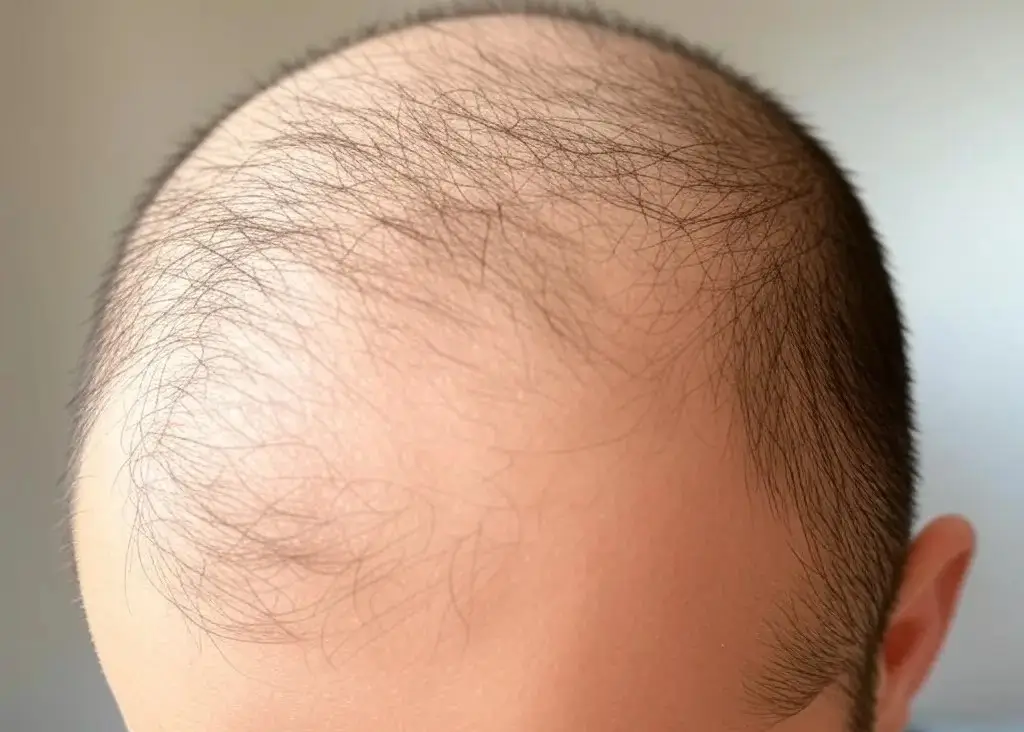
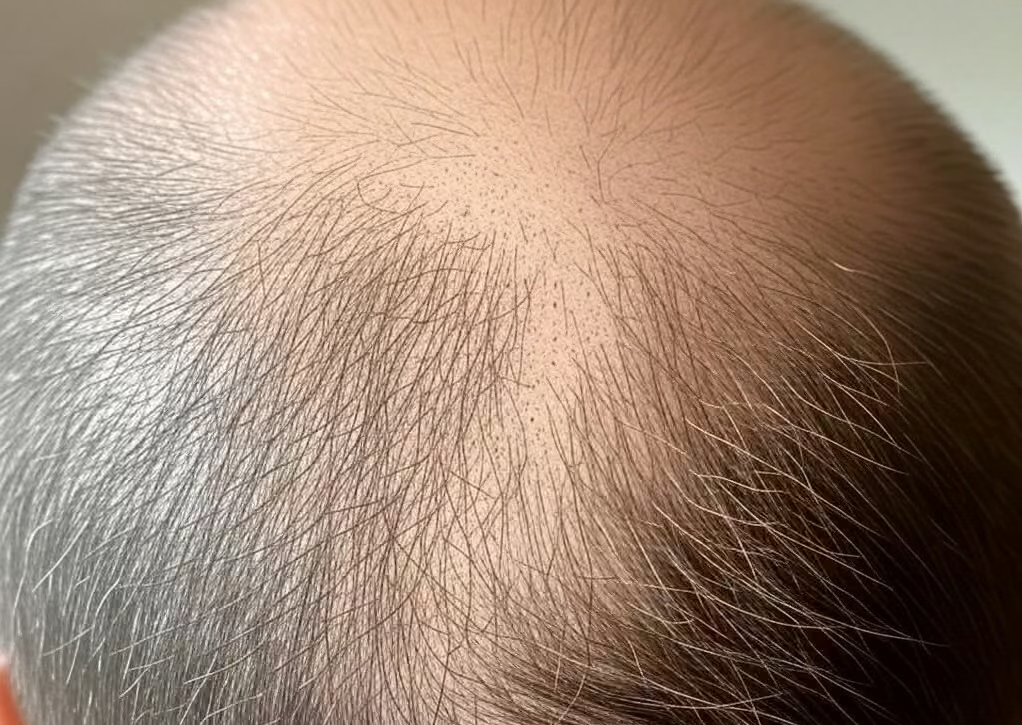
    Genetics is one of the most significant factors contributing to hair loss. If one of your parents or family members has experienced hair loss, you are likely predisposed to the condition. Genetic hair loss is commonly referred to as androgenetic alopecia, known as male pattern baldness in men and female pattern hair loss in women.

    • Why Does Genetics Play a Role?
      Genes associated with sensitivity to the hormone dihydrotestosterone (DHT) can cause hair follicles to shrink. Over time, this process leads to reduced hair growth.
    • Signs:
      • In men, hair loss often begins at the front and crown of the head.
      • In women, hair generally becomes thinner, particularly at the top of the head.

    Recommendation:
    Using DHT-blocking products or consulting a dermatologist for an accurate diagnosis can be helpful.

    2. Poor Nutrition

    Healthy nutrition plays a vital role in the growth and maintenance of hair. Hair follicles require nutrients to produce strands of hair. Deficiency in the following nutrients may lead to hair loss:

    • Iron:
      A primary cause of anemia, which weakens hair roots.
    • Biotin (Vitamin B7):
      A lack of this vitamin can cause brittle hair.
    • Zinc:
      This mineral helps regulate the production of natural oils on the scalp.
    • Proteins:
      Hair strands are made of keratin, a type of protein. Protein deficiency can halt hair growth.

    Practical Tip:
    Adding foods like eggs, lean meat, nuts, and green leafy vegetables to your diet can help.

    3. Stress and Mental Health

    Stress can be a key contributor to hair loss. Conditions such as telogen effluvium are often triggered by severe stress or sudden life changes. In such cases, a large number of hairs enter the resting phase, leading to rapid hair shedding.

    • Stress Triggers:
      1. Work-related pressures
      2. Financial worries
      3. Life changes such as pregnancy or illness
    • How Does Stress Affect Hair?
      Stress increases the production of hormones like cortisol, which can damage hair follicles.

    Suggestions:
    Breathing exercises, meditation, and physical activities like yoga can help reduce stress levels.

    Types of Hair Loss

    Types of Hair Loss

    Hair loss is classified into various types, each with its own causes and symptoms. Let’s explore three common types of hair loss.

    1. Alopecia Areata

    This type of hair loss, which occurs in patches, is an autoimmune condition. In this condition, the immune system mistakenly attacks hair follicles, causing hair loss in specific areas of the scalp or body.

    • Symptoms:
      • Sudden loss of hair in round or oval patches.
      • May not be accompanied by itching or pain.
    • Treatment:
      • Use of corticosteroids.
      • Topical treatments like minoxidil.

    2. Androgenetic Alopecia

    This is the most common type of hair loss among men and women. It is primarily caused by hormonal changes and genetics.

    • Characteristics:
      • In men, hair loss starts at the temples and crown of the head.
      • In women, hair becomes thinner across the entire scalp.
    • Treatment:
      • Oral medications like finasteride.
      • Medical procedures such as PRP (Platelet-Rich Plasma) therapy or hair transplants.

    3. Telogen Effluvium

    This type of hair loss is typically temporary and occurs due to stressors such as surgery, illness, or hormonal changes.

    • Characteristics:
      • Hair loss is diffuse across the scalp.
      • Hair enters the resting phase.
    • Treatment:
      • Returning to a healthy lifestyle.
      • Taking nutritional supplements.

    Common Treatments for Hair Loss

    Common Treatments for Hair Loss

    There are various treatment options available for combating hair loss, depending on the type and severity of the condition.

    1. Medicinal Treatments

    Medications like minoxidil and finasteride are used to reduce hair loss and promote regrowth.

    2. Lifestyle Changes

    • Following a balanced diet.
    • Reducing stress levels.
    • Using strengthening shampoos.

    3. Hair Transplants

    This method is suitable for individuals experiencing severe and permanent hair loss. Hair transplants usually provide long-lasting results.

    Preventing Hair Loss

    Preventing Hair Loss

    To prevent hair loss, consider the following methods:

    • Consume foods rich in vitamins and minerals.
    • Avoid overusing chemical-based hair products.
    • Use natural oils like argan or coconut oil for hair care.

    Frequently Asked Questions

    1. Is hair loss normal for everyone?
    Yes, losing 50 to 100 hairs per day is considered normal.

    2. Does washing hair daily cause hair loss?
    No, but using unsuitable shampoos may damage hair.

    Conclusion

    Hair loss can occur for various reasons, but identifying the cause and choosing the right treatment can effectively manage the condition. Healthy hair requires consistent care and a balanced lifestyle.